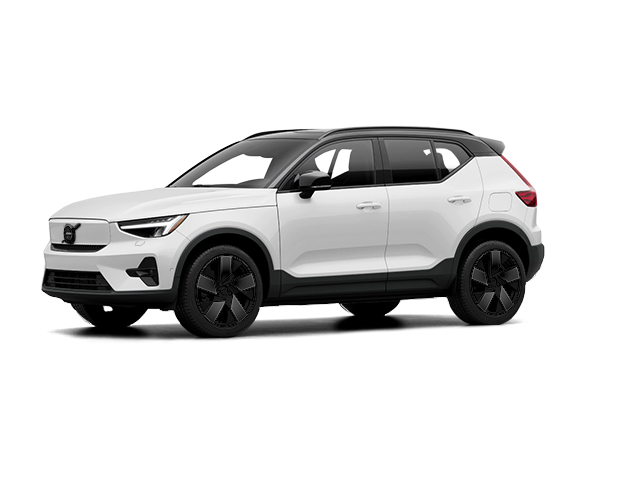
Photo for illustrative purposes only.
Find out moreVolvo Cars Mississauga

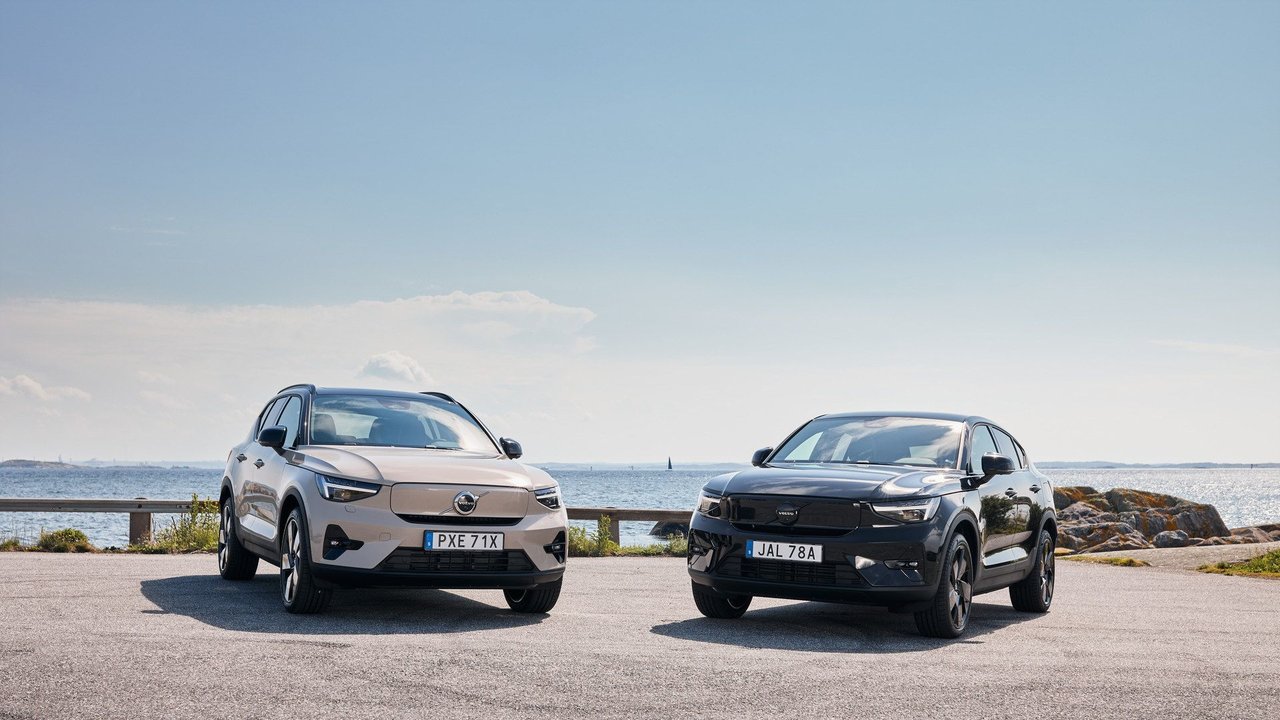
Electric vehicles have moved from niche curiosity to mainstream option across Canada. For Ontario families, electric SUVs now deliver the space, safety, and capability expected from traditional vehicles while adding benefits unique to battery-electric propulsion. Volvo's electric SUV lineup demonstrates how this technology addresses the specific needs of families navigating Ontario's diverse driving conditions, from urban Mississauga streets to Highway 401 commutes to weekend cottage trips.
Understanding what electric SUVs offer—and where they excel compared to gasoline vehicles—helps families make informed decisions about their next vehicle purchase. The technology has matured beyond early compromises, and Ontario's charging infrastructure continues expanding to support electric driving across the province.
Lower Operating Costs Add Up
Electricity costs significantly less than gasoline per kilometer driven. Ontario's off-peak electricity rates (overnight from 7 PM to 7 AM on weekdays) average around 10 cents per kWh. Charging a Volvo EX40 with its 79 kWh usable battery costs roughly $8 for a full charge, providing approximately 418-476 km of range depending on the motor configuration. Covering the same distance in a comparable gasoline SUV at 9 L/100 km would consume about 40 liters of fuel costing $60-70 at current prices.
Over a year, these savings accumulate. A family driving 20,000 km annually spends approximately $1,800 on electricity versus $6,000-7,000 on gasoline. The $4,000-5,000 annual difference offsets higher initial purchase prices within a few years of ownership.
Maintenance requirements also decrease. Electric motors contain fewer moving parts than gasoline engines. There are no oil changes, no spark plugs to replace, no transmission fluid to service, and no exhaust system components to rust out. Brake pads last significantly longer due to regenerative braking, which uses the electric motors to slow the vehicle and recapture energy rather than relying solely on friction brakes. Tire rotation, cabin air filter replacement, and windshield washer fluid represent the primary recurring maintenance tasks.
Ontario's Charging Infrastructure Supports Electric Driving
Ontario hosts over 3,500 public charging stations spanning the province. Major highways including the 401, QEW, and 400-series routes feature DC fast chargers at service centers and rest stops. These chargers add 150-250 km of range in 20-30 minutes, making longer trips manageable with planned charging stops.
Urban centers like Mississauga, Toronto, Ottawa, and Hamilton provide dense Level 2 charging networks in parking garages, shopping centers, and municipal lots. Many newer residential developments include charging infrastructure, and Ontario's building code now requires EV-ready electrical service in new construction.
Home charging remains the primary method for most electric vehicle owners. Installing a Level 2 charger in your garage requires a 240V circuit, similar to what powers electric dryers or stoves. Overnight charging replenishes the battery while you sleep, and you start each day with a full charge. Ontario's time-of-use electricity rates make overnight charging the most economical option.
The province's electricity grid easily handles current electric vehicle adoption levels, and utilities continue infrastructure investments to support growing demand. Range anxiety—the fear of running out of charge—decreases as drivers realize they rarely deplete the battery during typical daily driving, and charging opportunities exist throughout the province.
Winter Performance in Ontario's Climate
Ontario's winter temperatures test all vehicles, and electric SUVs face unique challenges. Cold weather reduces battery range by approximately 20-30% due to increased battery resistance and cabin heating demands. A Volvo EX40 rated for 476 km of range might deliver 330-380 km in -15°C weather with active cabin heating.
Modern electric SUVs mitigate winter range loss through several technologies. Battery thermal management systems maintain optimal operating temperature by heating the battery pack when needed. Preconditioning while plugged in warms both the battery and cabin using grid power rather than battery power, maximizing available range for your drive.
Heat pump climate systems, standard in most modern electric vehicles including Volvo's lineup, move heat more efficiently than traditional resistive heating elements. This reduces the energy penalty for cabin warming, preserving more battery capacity for driving.
The instant torque from electric motors actually enhances winter traction. Unlike gasoline engines that need to build RPM before delivering power, electric motors provide maximum torque immediately. This characteristic, combined with sophisticated traction control systems, helps maintain grip on snow-covered Ontario roads. All-wheel drive electric SUVs like the Volvo EX40 Twin Motor and EX90 place motors at both axles, enabling precise torque distribution that gasoline AWD systems struggle to match.
Family-Friendly Space and Versatility

Electric SUVs don't compromise interior space for their powertrains. The Volvo EX40 provides 578 L of cargo capacity with rear seats up, expanding to 1,328 L with seats folded. The EX90 offers three rows of seating, accommodating seven passengers plus 324 L of cargo with all seats in use. These figures match or exceed comparable gasoline SUVs.
Battery pack placement under the floor creates a low center of gravity, improving handling stability and reducing the likelihood of rollovers. The flat floor also eliminates the driveshaft tunnel common in traditional all-wheel drive vehicles, increasing rear passenger foot space and cargo area usability.
Front trunks (frunks) in some models add dedicated storage for charging cables, groceries you want to keep separate from main cargo, or valuables you prefer to keep hidden from view. The Volvo EX40 includes a 21 L frunk, while the larger EX90 provides 49 L of front storage.
Quiet cabins enhance the family driving experience. Without engine noise, wind and tire sound become more noticeable, prompting automakers to increase sound deadening materials. The result is a library-quiet cabin that makes conversations easier and reduces fatigue on longer drives. Kids can sleep in the back seat without engine vibration or exhaust note disturbance.
Safety Advances Built on Electric Platforms
Electric vehicle platforms enable safety innovations difficult to implement in traditional vehicles. The absence of a large engine block up front creates substantial crumple zones that absorb crash energy more effectively. Battery pack placement low in the vehicle floor provides structural rigidity that enhances cabin protection in side impacts.
Volvo's electric SUVs include the full suite of the brand's safety technologies. City Safety with automatic braking detects vehicles, pedestrians, cyclists, and large animals (like moose and deer common in Ontario). BLIS monitors blind spots and provides steering support if you begin changing lanes with a vehicle alongside. Oncoming Lane Mitigation prevents head-on collisions by steering you back into your lane if you drift toward opposing traffic.
The EX90 adds lidar sensors that create three-dimensional maps of the environment up to 250 meters ahead. This technology enables more sophisticated driver assistance and will support future autonomous driving features as regulations and software evolve.
Electric powertrain packaging allows for improved weight distribution that enhances stability. Many electric SUVs achieve near 50/50 front-to-rear weight balance, improving handling and reducing the tendency for the heavy rear end to step out during emergency maneuvers.
Environmental Benefits Beyond Tailpipe Emissions
Ontario's electricity grid generates power from nuclear (60%), hydroelectric (24%), natural gas (6%), wind (7%), and solar (2%) sources. This relatively clean generation mix means charging an electric vehicle in Ontario produces significantly lower carbon emissions than burning gasoline—even accounting for electricity generation emissions.
A Volvo EX40 driven 20,000 km annually in Ontario produces approximately 800 kg of CO2 equivalent emissions from electricity generation. The same distance in a comparable gasoline SUV generates roughly 4,000 kg of CO2 emissions. Over a vehicle's typical 10-year lifespan, the electric SUV avoids releasing 32,000 kg of carbon dioxide.
Battery recycling continues improving as the industry matures. Lithium-ion batteries retain significant material value after automotive use, incentivizing collection and recycling. Volvo partners with battery recyclers to recover lithium, cobalt, nickel, and other materials for reuse in new battery production, closing the loop on resource consumption.
Ontario Incentive Programs
Federal incentives apply to eligible zero-emission vehicles with manufacturer suggested retail prices below specific thresholds. These rebates reduce net purchase price and improve electric SUV affordability for Ontario families. Provincial incentives vary by administration—some periods include additional Ontario-specific rebates while others rely on federal programs alone.
Incentive eligibility requires verification at the time of purchase, as program details and qualifying vehicle lists change based on government policy. Our team at Volvo Cars Mississauga provides current information on available incentives and helps navigate the application process.
Common Questions About Electric SUVs
How long does charging take?
Home Level 2 charging typically takes 8-10 hours for a full charge from empty, perfect for overnight replenishment. DC fast charging adds 150-250 km of range in 20-30 minutes at public stations.
What about long road trips?
Ontario's highway charging network enables road trips with planned stops. Most families charge to 80% rather than 100% (faster charging at lower battery levels) and time charging stops with meal breaks or rest stops.
Do electric SUVs tow?
Yes, though towing reduces range significantly. The Volvo EX40 can tow up to 1,600 kg, sufficient for small campers or utility trailers. Plan for 40-50% range reduction when towing.
How long do batteries last?
Modern batteries include 8-10 year warranties covering capacity degradation. Real-world data shows lithium-ion batteries retaining 80-90% of original capacity after 160,000 km, sufficient for the vehicle's useful life.
Experience Electric Driving at Volvo Cars Mississauga
Electric SUVs deliver meaningful benefits for Ontario families without the compromises of earlier generation electric vehicles. Volvo's electric lineup combines the brand's safety heritage with advanced battery technology and practical design. Visit our Mississauga showroom to experience electric SUVs firsthand and discuss how they fit your family's specific needs and driving patterns in Ontario.
Photo for illustrative purposes only.
Find out more
What Volvo's Driver Assistance Features Actually Do on the XC60
"Advanced driver assistance" shows up on nearly every SUV spec sheet today, but the phrase doesn't say much about what actually happens on the...
Read more
How Volvo's Accessories and Built-In Features Handle Fall's Outdoor Activity Season
Fall in Mississauga tends to bring a short window of activity before everything gets packed away for winter — one last round of camping trips,...
Read more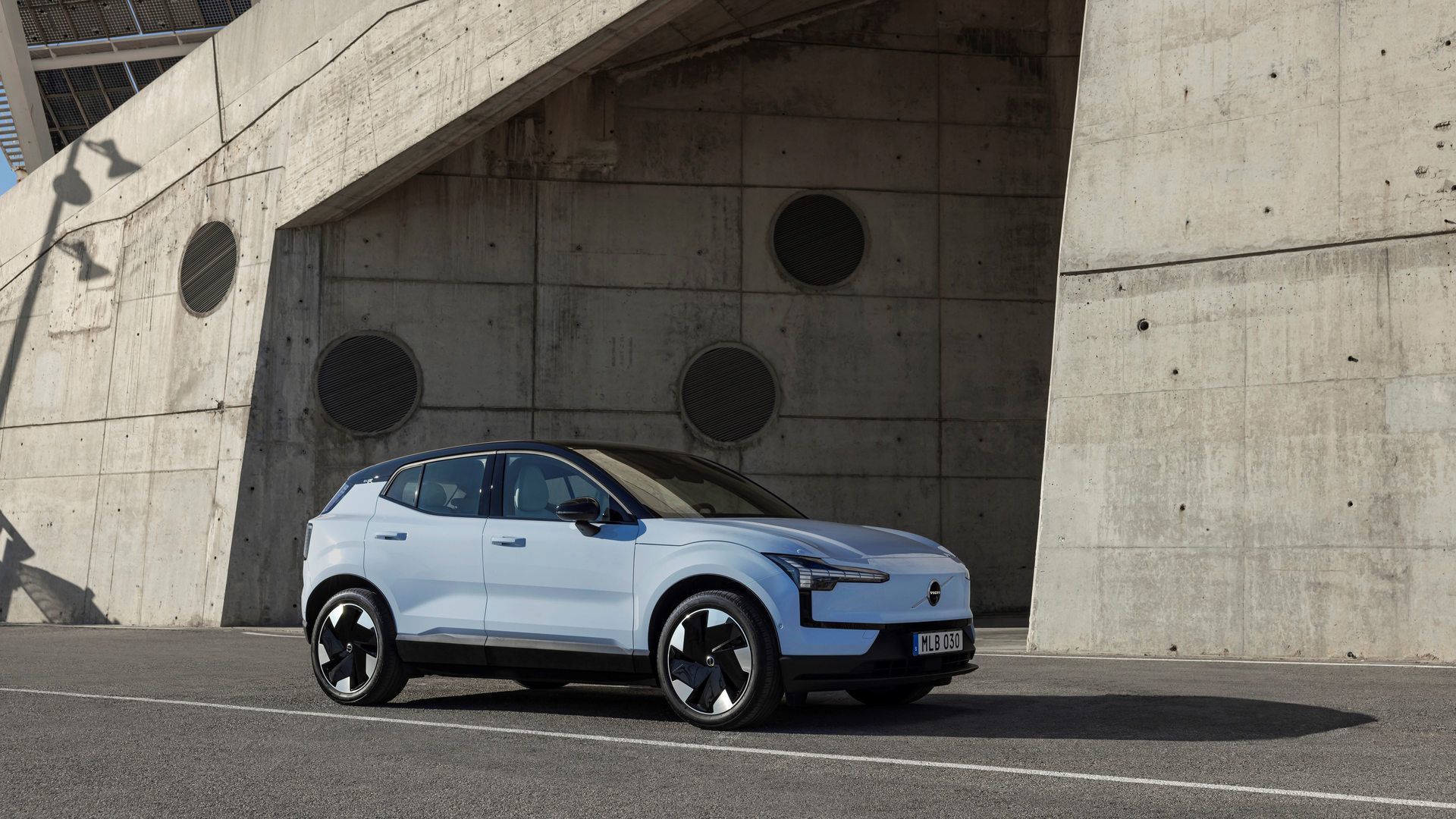
Why the 2026 Volvo EX30 Feels Different to Drive Around Mississauga's Busiest Streets
Spec sheets tend to focus on horsepower and range, but for a lot of daily driving in Mississauga, the numbers that matter most are the ones tied to...
Read morePowered and developed by
