
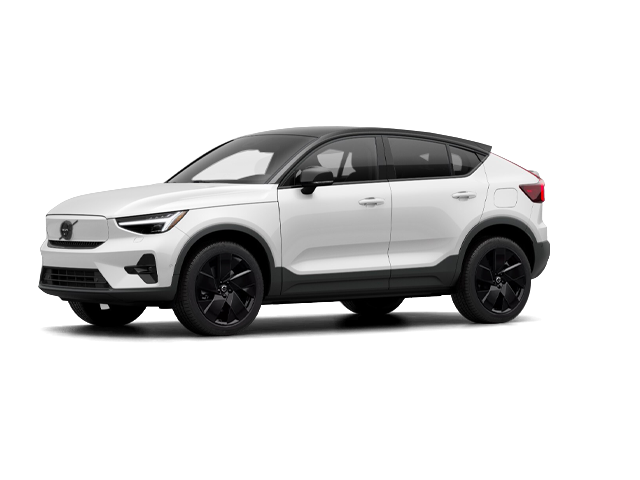
Photo for illustrative purposes only.
Find out moreVolvo Cars Mississauga
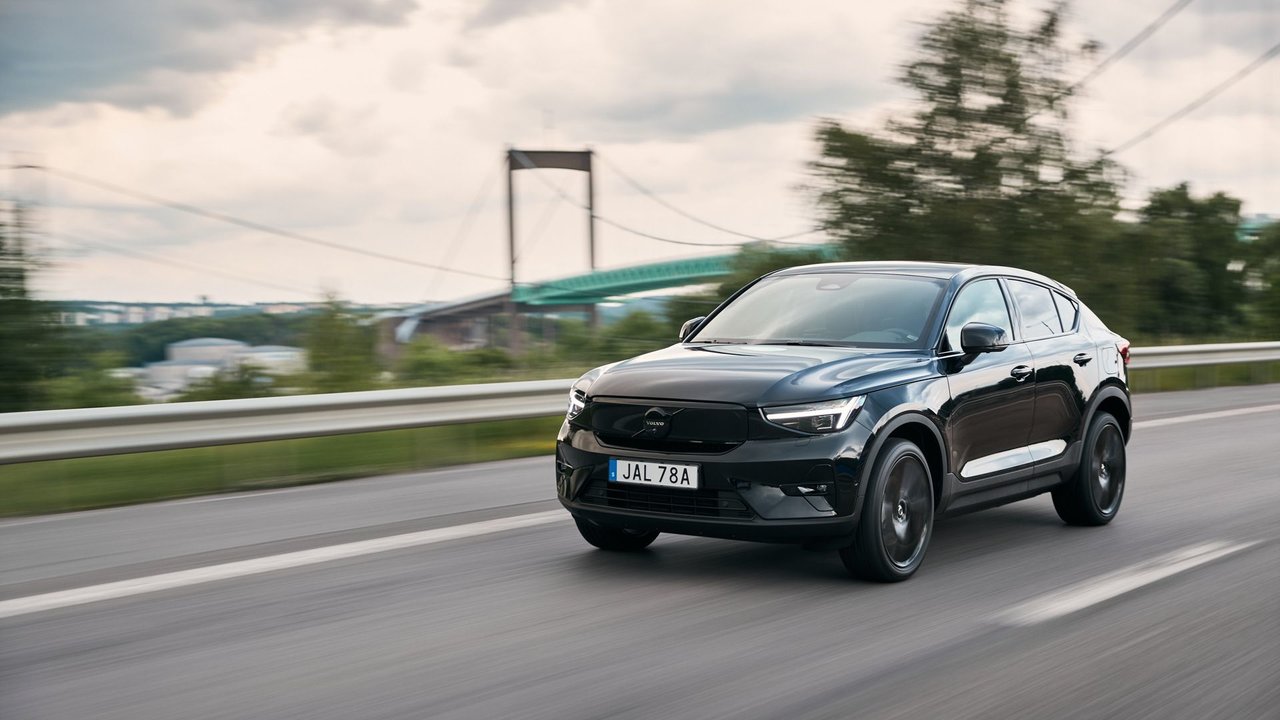
Range anxiety fades when the numbers work in your favour. For Mississauga commuters who drive the 401 corridor five days a week and want the flexibility to run errands, pick up the kids, and still have charge to spare at the end of the day, the distance a vehicle can cover on a single charge shapes the entire ownership experience. Fewer charging stops, more spontaneous detours, and the confidence to say yes to a last-minute weekend trip without mapping every charger along the route.
The 2026 Volvo EC40 delivers the longest estimated range of any compact electric SUV in the Volvo lineup. The Single Motor Extended Range variant achieves an estimated 480 km on a full charge (EPA) — more than the EX40 Single Motor (476 km) and more than the EX30 Single Motor (420 km). That range advantage is the product of two factors working together: a large 79 kWh usable battery and a coupe-style roofline that reduces aerodynamic drag to a coefficient of just 0.319. For Mississauga drivers whose primary question is "how far can I go before I need to charge?" the EC40 provides the strongest answer in Volvo's compact electric range.
At a Glance: 2026 Volvo EC40 Key Specifications
|
Specification |
Single Motor Extended Range |
Twin Motor |
|---|---|---|
|
Horsepower |
248 hp |
402 hp |
|
Torque |
310 lb-ft |
494 lb-ft |
|
Drivetrain |
RWD |
AWD |
|
0–100 km/h |
7.3 sec |
4.7 sec |
|
Estimated Range (EPA) |
480 km |
431 km |
|
Energy Consumption (Combined) |
2.2 Le/100 km |
2.4 Le/100 km |
|
Drag Coefficient (Cd) |
0.319 |
0.319 |
|
Battery (Nominal / Usable) |
82 kWh / 79 kWh |
82 kWh / 79 kWh |
|
DC Fast Charging (Peak) |
200 kW |
200 kW |
|
10–80% DC Fast Charge Time |
~28 minutes |
~28 minutes |
|
Cargo (Seats Up / Seats Folded) |
480 L / 1,196 L |
480 L / 1,196 L |
|
Frunk Volume |
21 L |
21 L |
Where the EC40's Range Comes From: Battery Size and Aerodynamics
The EC40's range advantage over the EX30 is straightforward: a larger battery. The EC40 carries an 82 kWh battery (79 kWh usable), compared to the EX30's 69 kWh pack (65 kWh usable). That additional 14 kWh of usable capacity is the primary reason the EC40 reaches 480 km while the EX30 — which is actually more energy-efficient per kilometre at 2.0 Le/100 km combined — tops out at 420 km. The EX30 sips less energy per kilometre, but the EC40 carries more energy to begin with.
The EC40's coupe roofline also plays a role. Its drag coefficient of 0.319 is lower than the EX40's 0.329, which means the EC40 extracts slightly more range from the same 79 kWh battery that both vehicles share. The result: 480 km for the EC40 Single Motor versus 476 km for the EX40 Single Motor. At the Twin Motor level, the gap widens — 431 km for the EC40 versus 418 km for the EX40, a 13-kilometre advantage.
At highway cruising speeds on the 401 and QEW, aerodynamic drag increases exponentially. The EC40's lower roofline (1,591 mm tall, versus 1,647 mm for the EX40) reduces the frontal area pushing against the air, which preserves battery charge more effectively at the 100-to-120 km/h speeds common on Mississauga's highway corridors.
Range Comparison Across the Volvo Compact Electric Lineup
Each of Volvo's compact EVs occupies a different position in the range-versus-efficiency equation. Here is how they compare on the metrics that matter most for Mississauga commuters.
|
Model |
Range (Single Motor, EPA) |
Energy Consumption (Combined) |
Battery (Usable) |
Cd |
|---|---|---|---|---|
|
EC40 |
480 km |
2.2 Le/100 km |
79 kWh |
0.319 |
|
EX40 |
476 km |
2.2 Le/100 km |
79 kWh |
0.329 |
|
EX30 |
420 km (19"/20" wheels) |
2.0 Le/100 km |
65 kWh |
0.28 |
The EX30 is the most energy-efficient vehicle in the group — its smaller, lighter body and 0.28 drag coefficient allow it to consume the least energy per 100 km. But its smaller battery limits total range. The EC40 and EX40 share the same battery, but the EC40's aerodynamic coupe shape lets it squeeze more kilometres from every charge. The EC40 sits in the middle on efficiency and at the top on range — a balance that suits drivers whose priority is going the longest distance between charges.
How 480 km of Range Fits a Mississauga Routine

Most Mississauga commuters drive between 40 and 80 kilometres per day. A round trip from Erin Mills to the Financial District in downtown Toronto covers roughly 60 kilometres. A drive from Meadowvale to Pearson Airport and back adds up to about 30 kilometres. Even a busy day with multiple stops — school drop-off, groceries, a client meeting in Oakville — rarely exceeds 100 kilometres.
At 480 km of estimated range, the EC40 Single Motor can handle four to five full days of typical Mississauga driving on a single charge. For owners who charge at home overnight on a 240-volt outlet (a full charge takes approximately 8 hours at 48 amps), the vehicle starts every morning with a full battery and ample range for whatever the day requires.
For longer trips — a weekend drive to Niagara-on-the-Lake, a visit to Ottawa, or a summer run to Muskoka — the 480-kilometre range provides a comfortable buffer. DC fast charging at up to 200 kW adds flexibility on the road, with a 10-to-80-percent charge completed in approximately 28 minutes. One fast-charging stop is typically all that is needed to reach most Ontario destinations from Mississauga.
Twin Motor: 402 Horsepower and AWD Without a Major Range Trade-Off
The EC40 Twin Motor produces 402 horsepower and 494 lb-ft of torque through dual electric motors — one on each axle — delivering standard all-wheel drive. The 0-to-100 km/h time of 4.7 seconds places it among the quickest compact SUVs on Ontario roads, regardless of powertrain type.
The Twin Motor's estimated range of 431 km (EPA) is 49 km less than the Single Motor, a gap that reflects the added weight and energy demand of the second motor. In daily driving around Mississauga, that difference rarely changes the ownership experience — 431 km still covers three to four days of typical commuting on a single charge. The trade-off becomes more relevant on long highway trips, where the Single Motor's extra range provides a wider margin before the next charging stop.
For Mississauga drivers who want AWD traction during Ontario's winter months — when icy residential streets and slushy highway ramps are a regular occurrence — the Twin Motor delivers both grip and acceleration in a single package. Energy consumption rises modestly to 2.4 Le/100 km combined, a manageable increase for the added capability.
The Coupe Shape: What It Adds and What It Changes
The EC40's fastback roofline is the feature that distinguishes it visually from every other compact Volvo. Where the EX40 carries a conventional SUV silhouette with a flat roof and upright rear hatch, the EC40's roofline sweeps downward from the B-pillar, creating a sportier profile that is immediately recognizable from the side and rear.
That shape affects more than aesthetics. The lower roofline reduces rear cargo volume compared to the EX40 — 480 litres with seats up versus 569 litres, and 1,196 litres maximum versus 1,328 litres. For most daily cargo needs in Mississauga — groceries, gym bags, weekend luggage, a stroller — the EC40's 480 litres is more than adequate. The 21-litre frunk adds a separate storage area for charging cables or valuables that the EX40 does not provide.
Rear headroom measures 932 mm (versus 974 mm in the EX40), a 42-mm difference that is worth noting for taller rear-seat passengers on longer trips but remains comfortable for most adults during typical driving. Front-seat occupants will not notice a difference — front headroom with the panoramic roof measures 1,040 mm in both vehicles.
Technology, Safety, and Daily Ownership
Google built-in is standard, delivering Google Maps, Google Assistant, and Google Play directly through the infotainment system. Apple CarPlay is also included. The Digital services package provides up to four years of data at no additional charge.
Volvo's full suite of active safety systems is standard across both variants: collision avoidance with automatic braking for vehicles, pedestrians, cyclists, and large animals; BLIS blind spot monitoring with steering assist; Cross Traffic Alert with autobrake; Pilot Assist (adaptive cruise control with lane-centering); and oncoming lane mitigation. The MacPherson front and multi-link rear suspension deliver a comfortable ride tuned for Ontario's mixed road surfaces.
Which EC40 Variant Fits Your Driving Life?
The Single Motor Extended Range is built for drivers whose primary goal is maximizing the distance between charges. At 480 km per charge, it offers the longest range in the Volvo compact electric lineup. The rear-wheel-drive layout keeps the vehicle lighter, and 248 horsepower handles daily Mississauga driving and highway commuting without hesitation. This is the variant for drivers who charge at home and want to go as far as possible on every charge.
The Twin Motor is for drivers who want AWD traction and stronger acceleration without giving up practical range. The 402 horsepower output and 4.7-second 0-to-100 km/h time deliver a sportier character, and the dual-motor AWD system provides added confidence on wet or snowy roads. At 431 km of range, it still covers multiple days of commuting per charge.
Experience the 2026 EC40 at Volvo Cars Mississauga
The 2026 Volvo EC40 is available now at Volvo Cars Mississauga in both Single Motor and Twin Motor configurations. Book a test drive at our Mississauga dealership to experience the compact electric SUV that goes the farthest on every charge. Our team can help you compare the EC40 against the EX40 and EX30 side by side and find the variant that matches your commute.
Photo for illustrative purposes only.
Find out more
Why Choose the 2027 Volvo XC40 for Urban Drivers
City driving asks a lot of a vehicle. Parking spots are tight, traffic stops and starts, and cyclists and pedestrians share every block. A good...
Read more
What the Cross Country Name Brings to the Volvo EX30, V60, and EX60
Volvo introduced its first Cross Country model in 1997. The idea was simple: take a comfortable Volvo, raise it, protect it, and give it the...
Read more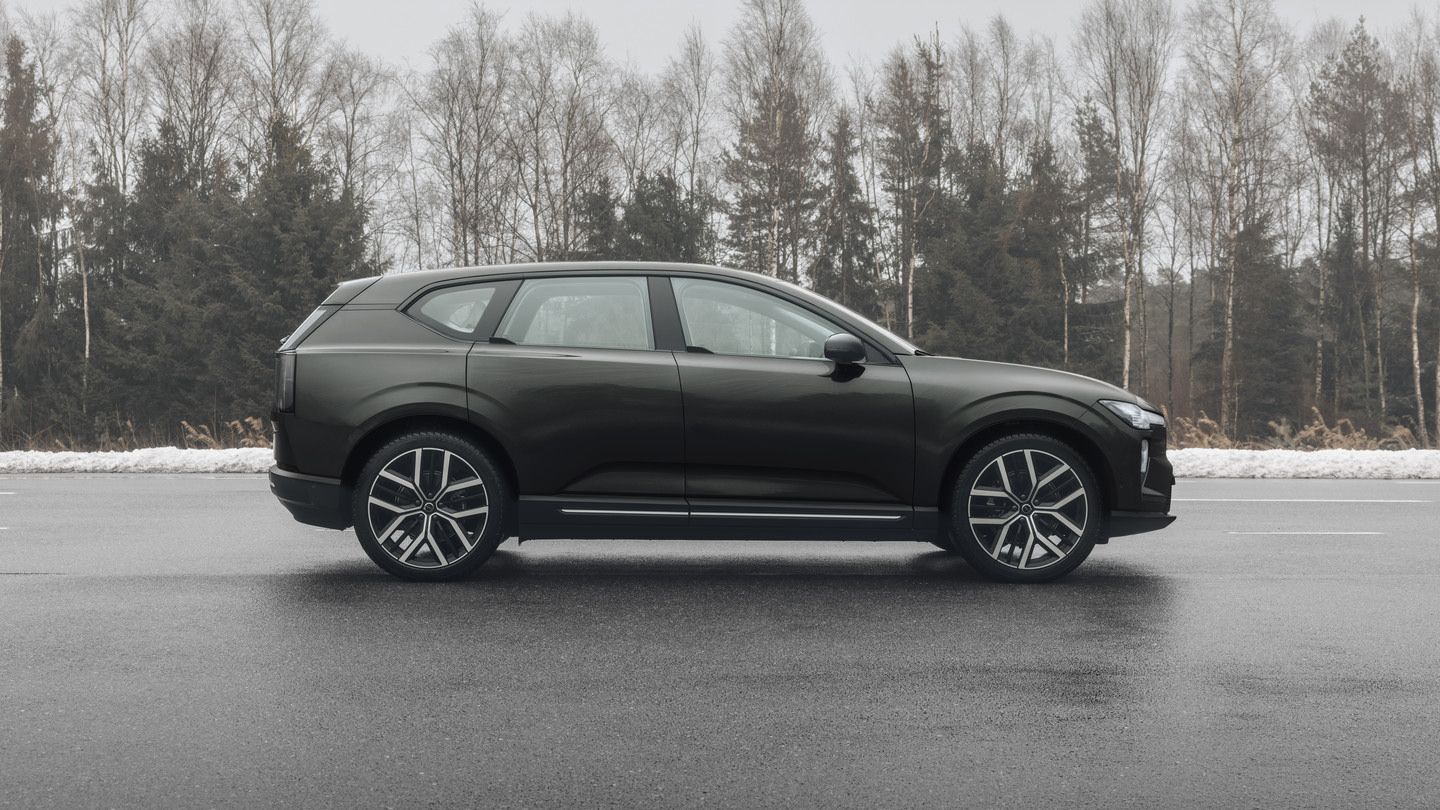
How You Can Prepare Your Volvo for Winter
The first cold morning of the season always seems to arrive early. One day the roads are dry, and the next there is frost on the windshield and...
Read morePowered and developed by
