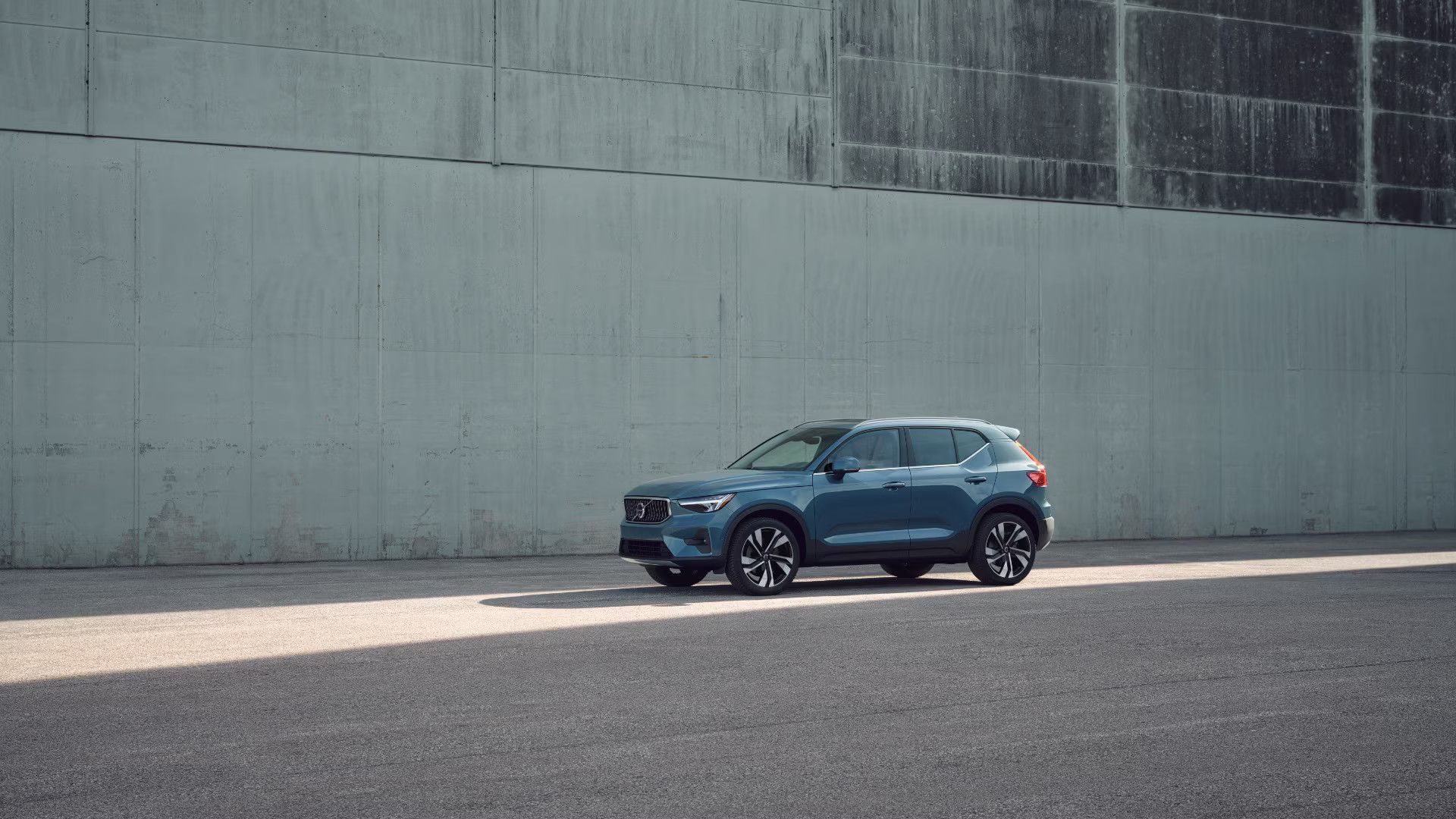
Why Choose the 2027 Volvo XC40 for Urban Drivers
City driving asks a lot of a vehicle. Parking spots are tight, traffic stops and starts, and cyclists and pedestrians share every block. A good...
Read moreVolvo Cars Mississauga


"Advanced driver assistance" shows up on nearly every SUV spec sheet today, but the phrase doesn't say much about what actually happens on the road. For buyers comparing the Volvo XC60 against other vehicles in its class, it helps to know exactly what each named feature does rather than treating the whole suite as one vague safety checkbox.
Below is a breakdown of the driver assistance suite Volvo builds into the XC60, based on how each system actually functions rather than marketing language alone.
XC60 Driver Assistance Features at a Glance
|
Feature |
What It Does |
|---|---|
|
Blind Spot Information System (BLIS) |
Monitors adjacent lanes and can subtly adjust steering if a collision risk is detected while changing lanes |
|
Cross Traffic Alert with autobrake |
Detects vehicles crossing behind the SUV while reversing and can apply the brakes if needed |
|
Oncoming Lane Mitigation |
Helps correct steering if the vehicle drifts across the centre line toward oncoming traffic |
|
360° camera |
Merges multiple camera views into a full perspective around the vehicle during parking |
|
Adaptive cruise control |
Maintains a set following distance from the vehicle ahead, adjusting speed automatically in traffic |
|
Lane keeping aid |
Provides steering input to help keep the vehicle centred in its lane during highway driving |
|
Rear Collision Warning |
Alerts the driver if a vehicle approaching from behind appears unlikely to stop in time |
|
Slippery Road Alert |
Warns following Volvo vehicles connected to the same network when the system detects low-traction road conditions |
|
Road Sign Information |
Displays posted speed limits and other detected road signs on the driver display |
Keeping the Vehicle in Its Lane, Automatically
Volvo's blind spot information system does more than flash a warning light in the mirror. If BLIS detects a vehicle in an adjacent lane during a lane change, the system can subtly adjust the XC60's steering to help correct course, rather than relying entirely on the driver to react to a visual alert. Oncoming Lane Mitigation works on a similar principle in the opposite direction — if the vehicle begins drifting across the centre line toward oncoming traffic, the system detects the drift and applies steering correction to bring the SUV back into its own lane before a head-on situation develops.
Reversing and Parking With More Awareness

Backing out of a parking spot with limited visibility is one of the more common sources of minor collisions, which is where Cross Traffic Alert becomes useful. The system watches for vehicles crossing behind the XC60 while reversing and can apply the brakes automatically if the driver doesn't react in time. Around the rest of the vehicle, the available 360-degree camera system merges multiple camera angles into a single view, making it easier to judge distances in tight parking structures or narrow residential driveways without relying purely on mirrors.
Reducing Fatigue on Longer Highway Stretches
Adaptive cruise control and lane keeping aid work together to reduce the physical effort of longer highway drives, which matters for Mississauga commuters regularly using the 401, 403, or QEW. Adaptive cruise control adjusts the XC60's speed automatically to maintain a set following distance from the vehicle ahead, easing the need for constant manual braking and acceleration in variable traffic. Lane keeping aid complements this by providing gentle steering input to help keep the vehicle centred in its lane, particularly useful during the kind of long, monotonous highway stretches where attention naturally starts to drift.
Rounding Out the Suite With Situational Awareness
Beyond the core lane, parking, and cruising systems, the XC60 includes a handful of features aimed at situations that come up less often but matter when they do. Rear Collision Warning watches traffic approaching from behind and alerts the driver if a following vehicle appears unlikely to stop in time, giving a moment's extra warning before a rear-end collision at a stoplight or in stop-and-go traffic. Slippery Road Alert takes a more connected approach: when the system detects low-traction conditions, such as an icy patch or unexpectedly wet pavement, it can share that information with other connected Volvo vehicles nearby, effectively crowdsourcing road condition awareness across the network. Road Sign Information rounds out the group by displaying posted speed limits and other detected signage directly on the driver display, reducing the need to hunt for a sign that may be partially obscured or easy to miss in unfamiliar areas.
How These Systems Work Together on a Single Drive
None of these features operate in isolation during a normal commute — they layer on top of each other depending on what's happening around the vehicle at any given moment. Pulling out of a driveway or parking spot engages the 360-degree camera and Cross Traffic Alert simultaneously, covering both the visual and reactive side of a low-visibility reverse. Once underway on a multi-lane road, BLIS and Oncoming Lane Mitigation both monitor lane position from opposite directions, one watching for side collisions during a lane change and the other watching for centre-line drift. On the highway, adaptive cruise control and lane keeping aid take over the more repetitive parts of the drive, while Road Sign Information and Rear Collision Warning continue running quietly in the background, ready to flag something the driver might otherwise miss. The result is less a single "safety feature" and more a set of systems handing off responsibility for different parts of a drive as conditions change.
Which Features Matter Most for Your Driving?
Drivers who spend most of their time in city traffic and parking structures will get the most day-to-day value from Cross Traffic Alert and the 360-degree camera system, since those features address the specific risks that come with reversing and manoeuvring in tight spaces. Commuters who log a lot of highway time, on the other hand, will notice adaptive cruise control and lane keeping aid more directly, since those systems are built around reducing fatigue over long, consistent stretches of driving rather than low-speed manoeuvring.
Experience the XC60 at Volvo Cars Mississauga
Reading about a driver assistance system and feeling how it responds on the road are two different things. Book your test drive today at our Mississauga dealership and experience how the XC60's safety technology actually behaves in real traffic.
Why Choose the 2027 Volvo XC40 for Urban Drivers
City driving asks a lot of a vehicle. Parking spots are tight, traffic stops and starts, and cyclists and pedestrians share every block. A good...
Read more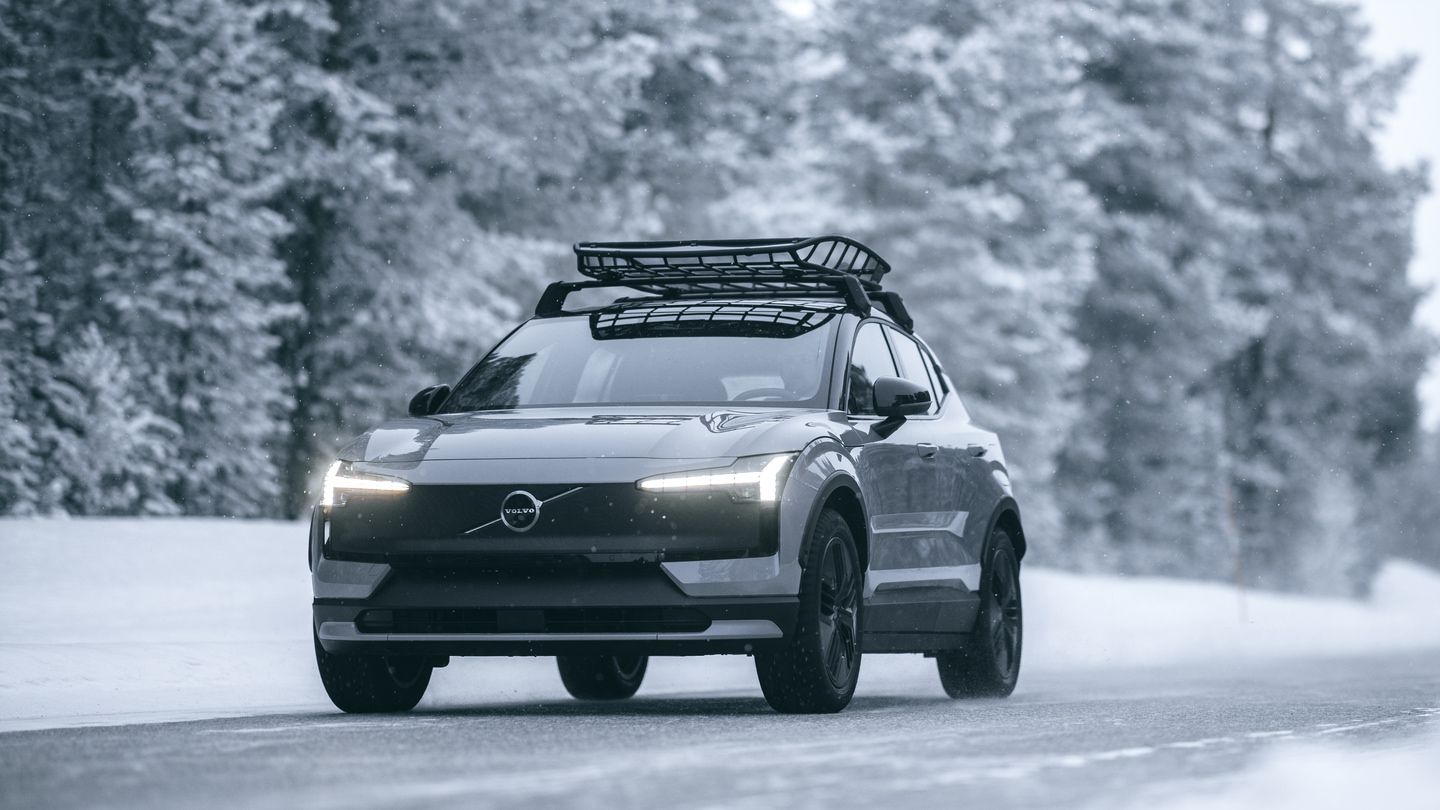
What the Cross Country Name Brings to the Volvo EX30, V60, and EX60
Volvo introduced its first Cross Country model in 1997. The idea was simple: take a comfortable Volvo, raise it, protect it, and give it the...
Read more
How You Can Prepare Your Volvo for Winter
The first cold morning of the season always seems to arrive early. One day the roads are dry, and the next there is frost on the windshield and...
Read morePowered and developed by
