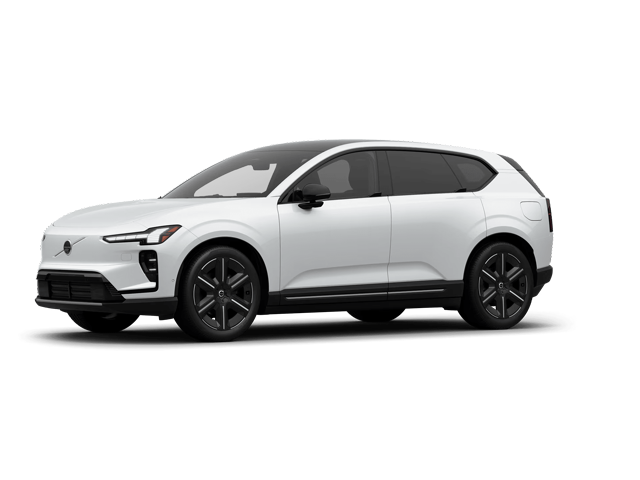
Photo for illustrative purposes only.
Find out moreVolvo Cars Mississauga

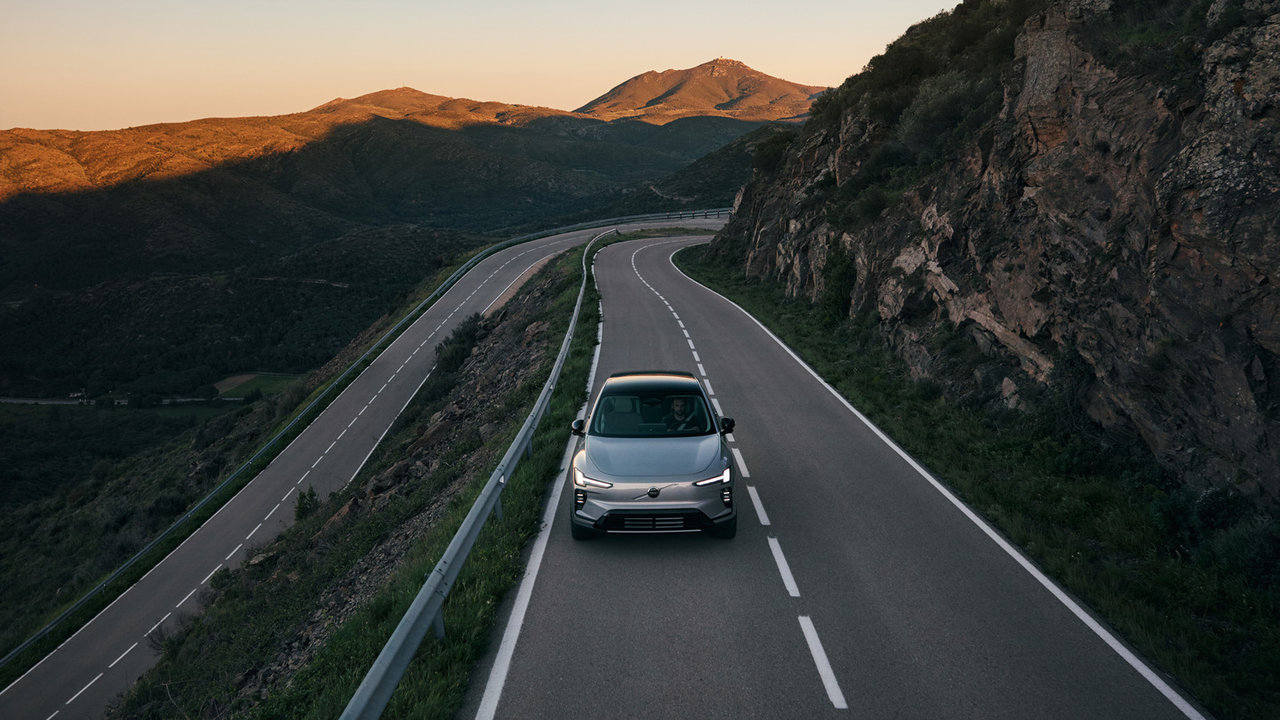
A range number on a spec sheet only tells part of the story. What matters more is what that number actually looks like once you are driving day to day, running errands, or planning a longer trip. Natural Resources Canada recently raised its certified range estimate for the 2027 Volvo EX60, and it is worth breaking down what that change really means for someone behind the wheel.
The New Certified Numbers
Natural Resources Canada has certified the 2027 Volvo EX60 P10 AWD with an estimated driving range of up to 531 kilometres on a single charge when equipped with 20-inch or 21-inch wheels, and up to 502 kilometres with 22-inch wheels. This figure came in higher than the company's own earlier estimate, and because it comes from NRCan's own approved testing cycles rather than the manufacturer alone, it carries independent weight.
That puts the EX60 P10 AWD ahead of every other Volvo currently sold in Canada in terms of certified electric range.
In Practice, What Does 531 km Look Like?
A range rating this high changes the rhythm of ownership more than it changes any single trip. For a daily commute or weekly errands, it means fewer charging sessions overall and more flexibility about when to plug in, rather than needing to top up after every outing. For longer drives, it stretches the distance between planned charging stops, particularly when paired with the EX60's fast-charging capability.
That fast charging is part of the same story. Built on an 800-volt electrical system, the EX60 P10 AWD can add up to 265 kilometres of range in about 10 minutes on a suitable DC fast charger, roughly the time it takes to grab a coffee on a road trip. The EX60 is also the first Volvo equipped with a native North American Charging Standard (NACS) port, giving owners adapter-free access to more than 29,000 Tesla Supercharger stations across the United States and Canada.
Why the Range Improved
The higher rating is not a marketing adjustment; it traces back to how the car is engineered. The EX60 is the first Volvo built on the company's new SPA3 electric vehicle architecture, which uses cell-to-body battery technology, next-generation in-house developed e-motors, a new battery cell design, and mega casting to manage weight and efficiency more effectively than earlier Volvo EVs. The car's shape contributes too, with a low front, sloping roofline, and tapered body sides giving the EX60 a drag coefficient of 0.26.
Reading a Range Number the Right Way
It is worth remembering that any range figure, including this one, reflects controlled test conditions. Actual range on any given day can shift based on things like outdoor temperature, driving style, and terrain. What an NRCan-certified number does provide is a consistent, independently checked baseline that Canadian shoppers can use to compare EVs on equal footing, rather than relying on manufacturer estimates alone.
Why This Segment Matters

The EX60 lands in the mid-size electric SUV category, which Volvo describes as the largest and fastest-growing segment in the electric vehicle market. That matters because it is the segment where most Canadian EV shoppers are actually looking, which means a range certification like this one gets compared against a wide field of competitors rather than a narrow niche. Coming in with a federally verified number near the top of that field gives the EX60 a stronger position in exactly the conversation most buyers are already having.
It also reflects how quickly the underlying technology in this segment is moving. A higher-than-expected certified range is not just a win for one specific model; it is a sign of how fast battery, motor, and architecture improvements are showing up in real-world test results across the industry, and Volvo's EX60 is one of the more recent examples of that progress landing in a car Canadians can actually order.
What's Under the Skin
The EX60's range gains are tied closely to how the car is put together. It runs on HuginCore, Volvo's core computing system, which works alongside the SPA3 architecture to manage power more efficiently across the vehicle. The 800-volt electrical system that enables its fast charging also plays a role in keeping energy losses low during a charging session, which indirectly supports the kind of range numbers NRCan certified.
Inside, none of this efficiency work comes at the expense of everyday usability. The EX60's long wheelbase and flat floor create generous rear legroom and a large luggage compartment, while a calm, refined cabin built from natural, high-end materials keeps the focus on comfort rather than just numbers on a spec sheet. The result is a car where the range certification is one part of a broader package, not the only reason to consider it.
A Battery Built to Handle Real Conditions
Range figures like this one are tested under controlled conditions, but Volvo has also engineered the EX60's battery and charging system to perform consistently as outdoor and battery temperatures shift. Managing that variability well is part of what allows a car to post strong range numbers in testing and still perform predictably once it is out on the road day to day, which is ultimately what most drivers care about more than the certification itself.
The Numbers at a Glance
|
Detail |
Figure |
|---|---|
|
Range, 20/21-inch wheels |
Up to 531 km |
|
Range, 22-inch wheels |
Up to 502 km |
|
Fast charging |
Up to 265 km added in about 10 minutes |
|
Charging port |
Native NACS |
Questions About Range? Ask Our Mississauga Team
Numbers on a page only go so far. If you want to talk through what 531 kilometres of certified range actually means for your routine, our team at Volvo Cars Mississauga is ready to help you work it out.
Photo for illustrative purposes only.
Find out more
Volvo Increases the Range of the 2028 XC60 and XC90 Plug-in Hybrid SUVs
Volvo has given two of its most popular SUVs a longer electric range. The plug-in hybrid XC60 and XC90 now travel further on battery power alone...
Read more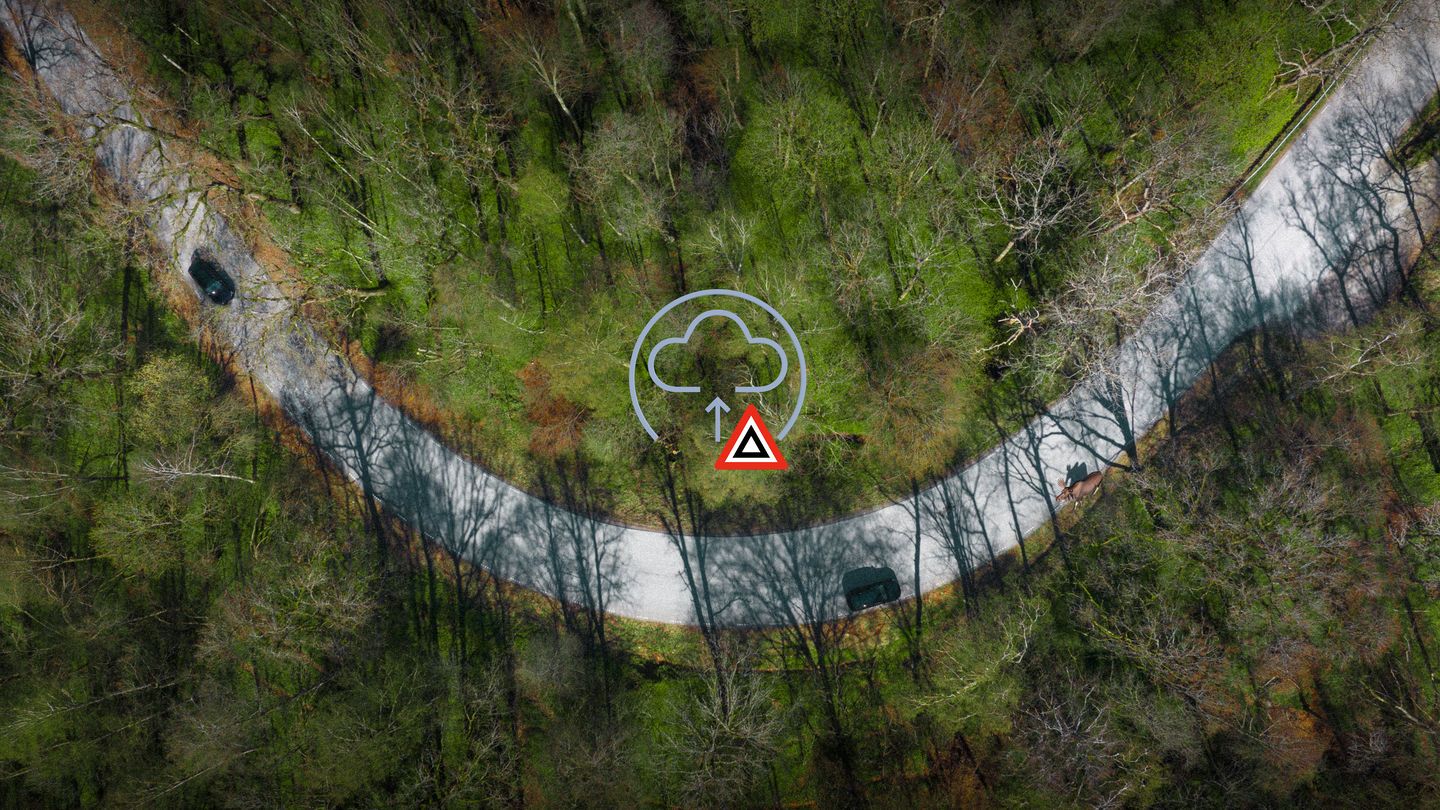
Volvo Adds New Ways for the EX60 to Warn You of Hidden Dangers
Some of the most dangerous moments on the road are the ones you never see coming: an animal stepping out from a treeline, a cyclist just past a...
Read more
A Look at the Things Volvo's Voice Assistant Can Do
Talking to your car sounds like something out of a movie, but it has quietly become one of the more useful parts of driving a modern Volvo. Between...
Read morePowered and developed by
