
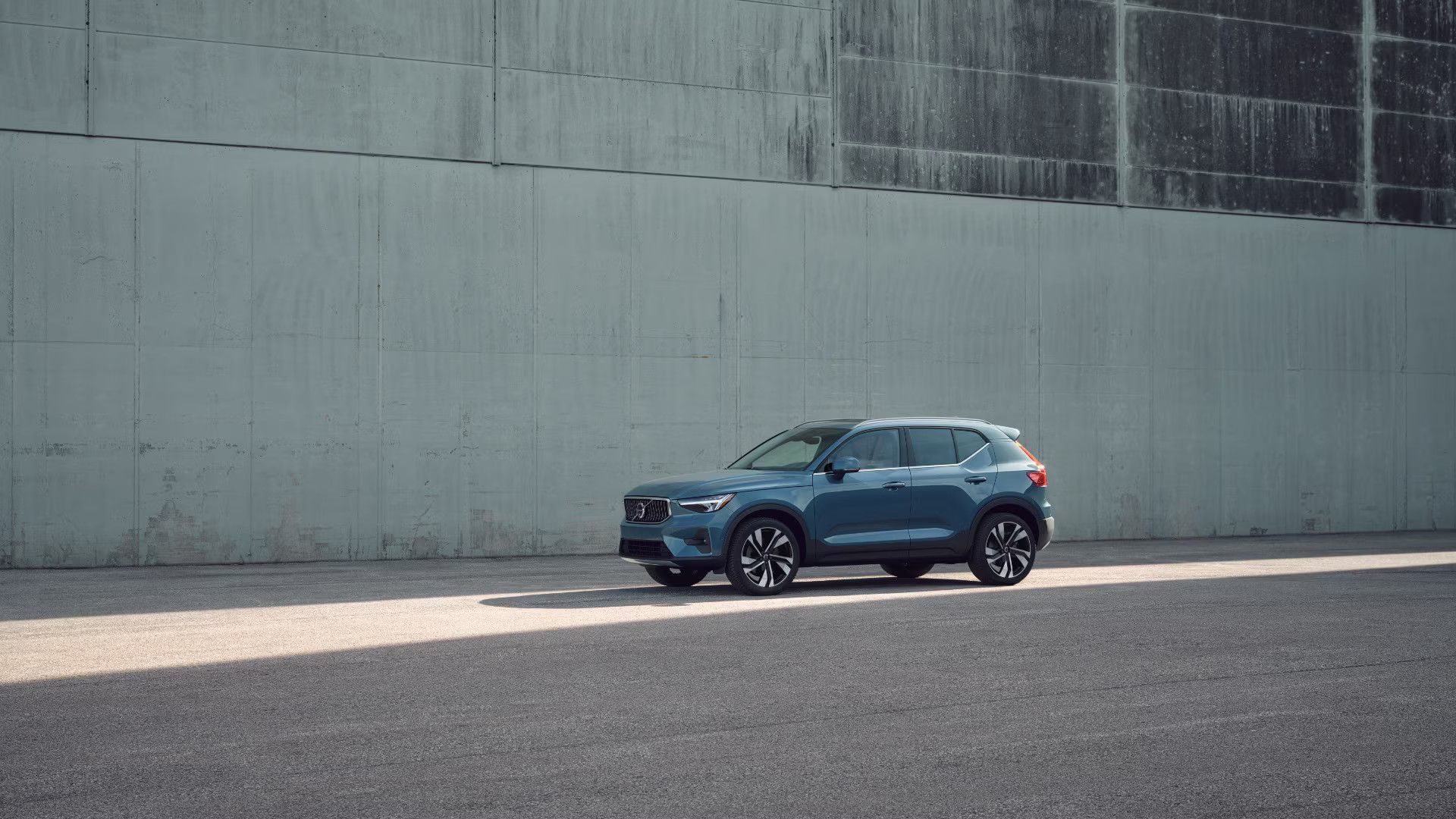
Why Choose the 2027 Volvo XC40 for Urban Drivers
City driving asks a lot of a vehicle. Parking spots are tight, traffic stops and starts, and cyclists and pedestrians share every block. A good...
Read moreVolvo Cars Mississauga
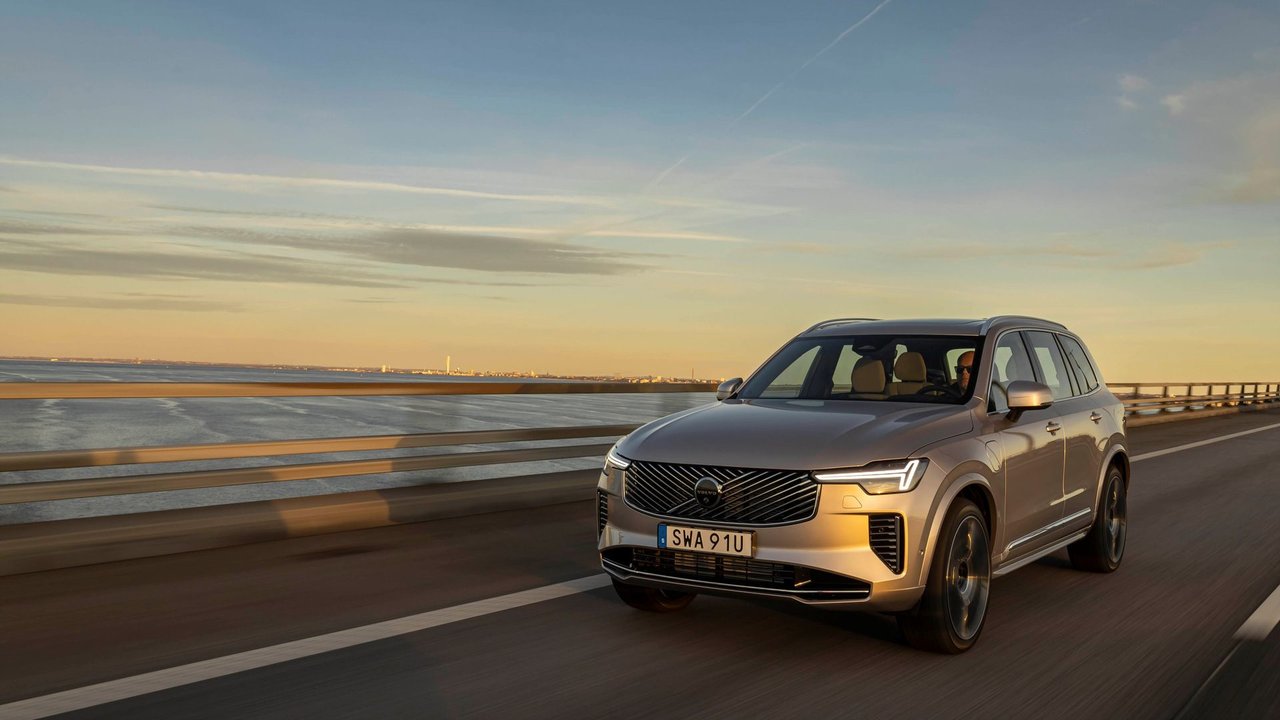
Plug-in hybrid vehicles occupy a unique space in today's automotive landscape. They provide electric driving for your daily commute while eliminating the range concerns associated with battery-electric vehicles. For Ontario drivers splitting time between urban Mississauga streets and longer trips to cottage country, this dual-powertrain approach delivers flexibility that pure EVs cannot match. Understanding how plug-in hybrids work, what to expect from real-world use, and how they fit into Ontario's charging infrastructure helps clarify whether this technology suits your driving patterns.
Volvo's plug-in hybrid lineup uses the "Recharge" designation and pairs turbocharged four-cylinder engines with electric motors and battery packs. The XC60 T8 and XC90 T8 represent the brand's current offerings in this category. Both provide substantial electric-only range for typical daily driving while maintaining the versatility of a gasoline engine for extended trips.
How Plug-In Hybrids Work
A plug-in hybrid combines three power sources: a gasoline engine, an electric motor, and a battery pack large enough to drive on electricity alone for meaningful distances. The battery plugs into an external charger—hence the "plug-in" designation—and stores enough energy to cover typical daily commutes without burning fuel.
In the XC60 T8 and XC90 T8, a 2.0 L four-cylinder turbocharged engine produces 312 hp while the rear-mounted electric motor adds 143 hp for a combined system output of 455 hp. The engine drives the front wheels through an eight-speed automatic transmission, and the electric motor powers the rear wheels, creating an all-wheel drive system that seamlessly transitions between power sources.
The battery pack sits under the vehicle floor in the center tunnel area. It holds 18.8 kWh of total energy, with 14.7 kWh usable for driving. This placement keeps the battery protected in a collision while maintaining reasonable interior space and cargo capacity.
When you start a Volvo plug-in hybrid with a charged battery, it defaults to Pure mode. The vehicle operates as a battery-electric car, drawing power exclusively from the battery pack while the engine remains off. The electric motor provides smooth, silent propulsion ideal for residential neighborhoods and stop-and-go traffic. Pure mode continues until the battery depletes or you exceed the electric motor's maximum speed (roughly 125 km/h).
Once the battery reaches its minimum charge threshold, the vehicle automatically switches to Hybrid mode. The engine starts and works with the electric motor to provide power. The system manages this transition seamlessly—you might notice the engine starting, but there's no jerk or hesitation in power delivery.
Electric-Only Range for Ontario Commutes
The XC60 T8 and XC90 T8 deliver approximately 58 km of electric-only range in the XC60 and 53 km in the XC90 according to Canadian testing standards. These figures represent ideal conditions with moderate temperatures and gentle driving. Ontario's winter temperatures reduce range, as cold weather increases battery resistance and requires energy for cabin heating.
In practice, expect 40-50 km of electric range during winter months (December through March) and closer to the full rated range during spring, summer, and fall. This seasonal variation is common across all electrified vehicles and should factor into your planning.
For Mississauga residents, this electric range covers substantial daily driving. A round-trip commute from western Mississauga to downtown Toronto spans approximately 45-50 km—achievable on electricity alone during warmer months. Even winter range suffices for shorter commutes within Mississauga or between neighboring cities in the GTA.
Data from Volvo's fleet shows that plug-in hybrid drivers cover roughly 48% of their total distance on electric power. This percentage increases for drivers with shorter daily commutes who charge consistently.
When the Gas Engine Activates
The gasoline engine starts under several conditions. The most common trigger is battery depletion. Once the battery's usable energy drops below the reserve threshold, the engine automatically engages to provide propulsion and recharge the battery to its minimum operating level.
Hard acceleration also summons the engine regardless of battery charge. Pressing the accelerator pedal more than about 80% of its travel triggers Power mode, which uses both the engine and motor for maximum performance. This delivers the combined 455 hp output and provides strong overtaking capability on highways.
Cabin heating demands activate the engine in cold weather. While the electric motor generates some heat, extreme cold requires the gasoline engine's waste heat to warm the cabin quickly. The system prioritizes your comfort over pure electric operation in these situations.
You can manually select Hybrid mode through the drive mode selector, which keeps the engine running even with sufficient battery charge. This proves useful before highway driving when you want to preserve electric range for stop-and-go traffic at your destination.
Home Charging in Ontario

Level 2 charging at home provides the most convenient way to keep a plug-in hybrid topped up. These chargers operate at 240V and typically draw 16-48 amps depending on the circuit rating. Installing a Level 2 charger in your garage requires a dedicated circuit, ideally rated for 40 amps to enable faster charging.
With a 16-amp charger (standard household outlet using a special adapter), the XC60 T8 and XC90 T8 require approximately 7 hours for a complete charge from empty. A 32-amp Level 2 charger reduces this to roughly 5 hours. These timelines work well for overnight charging—plug in when you arrive home in the evening, and the battery is full by morning.
Ontario electricity rates vary by time of day and season. Most residents pay lower off-peak rates overnight (from 7 PM to 7 AM on weekdays), making this the optimal charging window. The cost to fully charge the 14.7 kWh battery ranges from $1.50 to $2.50 depending on your rate plan—significantly less than the $8-10 of gasoline needed to cover the same 50-60 km distance.
Public charging stations work with plug-in hybrids, though they're less critical than for battery-electric vehicles. Most drivers charge exclusively at home and use public chargers only opportunistically when available during shopping trips or appointments.
Real-World Fuel Savings
Fuel consumption depends entirely on charging consistency. Drive 60 km daily and charge every night, and you'll rarely use gasoline for weeks at a time. Your fuel economy over that period essentially becomes infinite, as you're consuming no fuel.
Skip charging for a week, and the plug-in hybrid operates as a conventional hybrid with the engine running most of the time. Fuel economy in this scenario ranges from 8.5-9.1 L/100 km for the XC60 T8 and XC90 T8—respectable for a 455 hp SUV but far from the fuel-free operation possible with regular charging.
The government's combined fuel consumption rating of 3.5-3.8 Le/100 km (liters equivalent per 100 km) assumes you charge the vehicle fully and drive the standardized test cycle. This figure mixes electric and gasoline operation. Real-world results vary significantly based on driving patterns and charging frequency.
Charging Station Access
Ontario's public charging network focuses primarily on fast chargers for battery-electric vehicles, but Level 2 chargers suitable for plug-in hybrids are widely available. Shopping centers, municipal parking lots, and newer condo developments often include Level 2 stations accessible to all electrified vehicles.
Apps like PlugShare, ChargePoint, and the built-in Google Maps integration in Volvo vehicles locate nearby charging stations and display availability status. Most public Level 2 chargers cost $1-3 per hour to use, making public charging economical for topping up during errands.
You don't need public charging infrastructure to make a plug-in hybrid work. The gasoline engine provides unlimited range when needed, eliminating charging anxiety. Public stations simply offer convenient opportunities to extend your electric-only driving when you're away from home.
Winter Considerations for Ontario
Cold weather affects all electrified vehicles, and plug-in hybrids are no exception. Expect electric range to drop by 25-35% during Ontario's winter months when temperatures hover around -10°C to -20°C. The XC60 T8's 58 km rated range might deliver 40-45 km in practice during January and February.
The battery pack's thermal management system works to maintain optimal operating temperature, but this requires energy that would otherwise contribute to driving range. Pre-conditioning the cabin while plugged in helps—you consume grid power for heating instead of battery power, preserving maximum range for your drive.
The gasoline engine provides backup heat when needed, ensuring cabin comfort regardless of battery charge level. This distinguishes plug-in hybrids from battery-electric vehicles, where cabin heating directly impacts range with no alternative heat source.
Volvo's all-wheel drive system in the T8 models maintains traction advantage during winter. The instant torque from the electric rear motor enhances stability control response, helping maintain control on slippery surfaces common across Ontario from November through April.
Key Questions Answered
Do I need to plug it in?
No, but you should. A plug-in hybrid operates as a conventional hybrid if you never charge it, but you forfeit the fuel savings and electric driving experience that make these vehicles appealing.
Can I use a regular outlet?
Yes, with the appropriate adapter. Charging takes longer than with a Level 2 charger (7-12 hours versus 5 hours), but it works for overnight charging.
What if I forget to charge?
The vehicle operates normally on gasoline. You simply miss out on that day's electric driving and consume more fuel.
How much does installation cost?
Level 2 charger installation ranges from $800-2,000 in Ontario depending on your home's electrical panel capacity and the distance from the panel to your garage. Some utilities offer rebates that reduce net cost.
Learn More at Volvo Cars Mississauga
Plug-in hybrid technology provides a practical bridge between traditional gasoline vehicles and full electrification. The XC60 T8 and XC90 T8 demonstrate how this technology delivers electric driving for daily commutes while maintaining long-distance capability for Ontario road trips. Visit our showroom in Mississauga to discuss how a plug-in hybrid fits your specific driving patterns and to see the charging process firsthand.
Why Choose the 2027 Volvo XC40 for Urban Drivers
City driving asks a lot of a vehicle. Parking spots are tight, traffic stops and starts, and cyclists and pedestrians share every block. A good...
Read more
What the Cross Country Name Brings to the Volvo EX30, V60, and EX60
Volvo introduced its first Cross Country model in 1997. The idea was simple: take a comfortable Volvo, raise it, protect it, and give it the...
Read more
How You Can Prepare Your Volvo for Winter
The first cold morning of the season always seems to arrive early. One day the roads are dry, and the next there is frost on the windshield and...
Read morePowered and developed by
