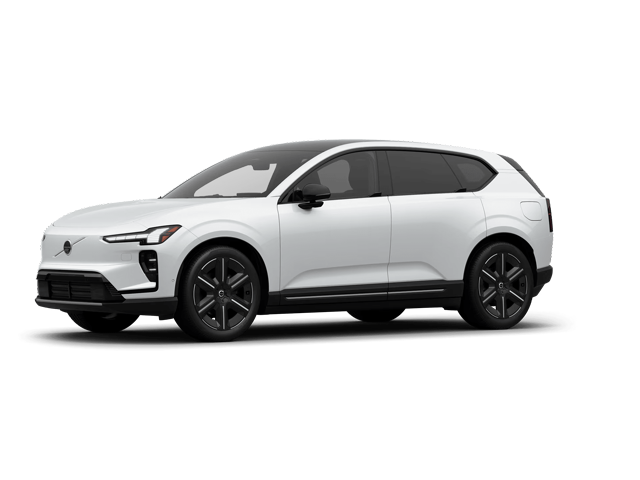
Photo for illustrative purposes only.
Find out moreVolvo Cars Mississauga

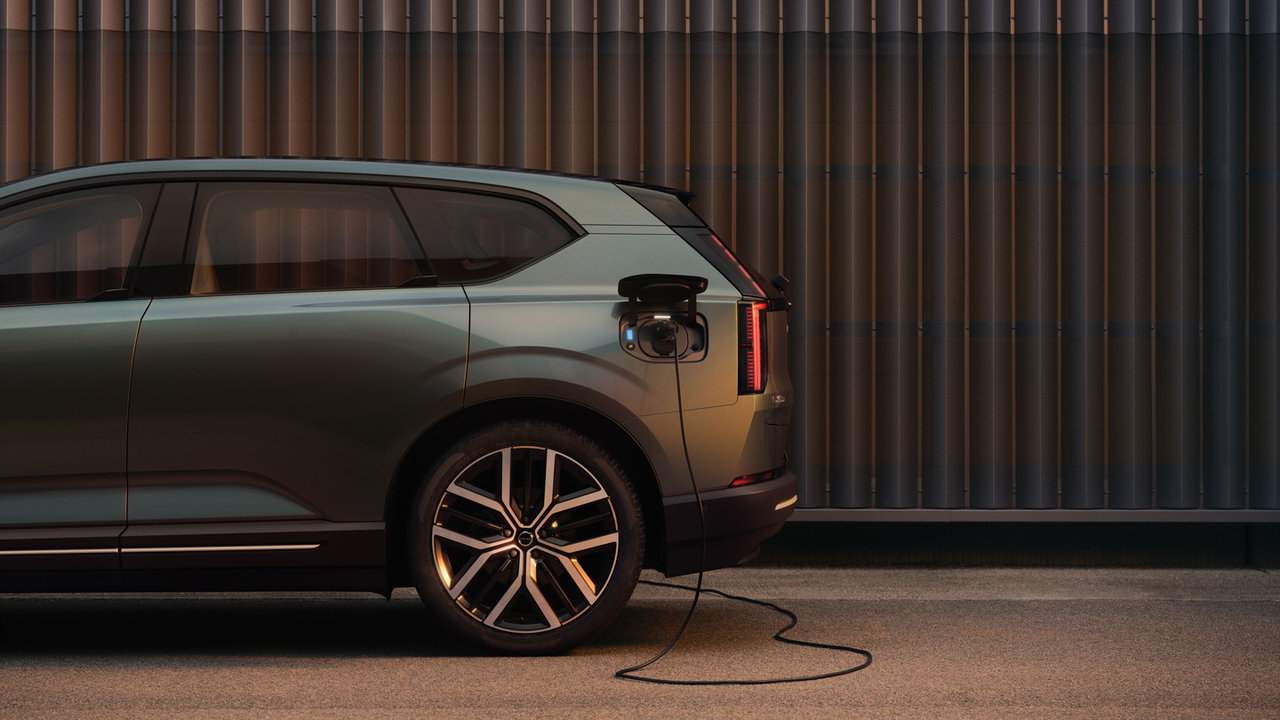
Charging speed is one of the most practical questions a Mississauga buyer faces when evaluating a fully electric mid-size SUV. Range figures are one part of the picture. How long it takes to add meaningful range on a longer drive is the other — and it matters more on the roads between Mississauga and the places Ontario drivers actually go: Quebec City for the winter, Niagara-on-the-Lake for a weekend, the ferry to Tobermory, or the long stretch of the 401 toward Kingston.
The 2026 Volvo EX60, open for Canadian orders now with deliveries expected later this year, addresses this with an 800-volt electrical architecture. For buyers who have been following the EV segment and understand that most current electric vehicles use 400-volt systems, that distinction carries real implications. Here is what it means in concrete terms for Mississauga drivers.
At a Glance: EX60 P10 AWD Charging Specifications
|
Specification |
EX60 P10 AWD |
|---|---|
|
Electrical Architecture |
800 volts |
|
DC Fast Charging Peak Power |
370 kW |
|
Charging from 10% to 80% |
As little as 18 minutes |
|
Range Added in 10 Minutes |
Up to 270 km |
|
Estimated Electric Range |
Up to 514 km (20" summer tires) |
|
AC Charging |
Standard Level 1 and Level 2 compatible |
What 800 Volts Means in Practice
Most current electric vehicles on the Canadian market use a 400-volt electrical architecture. This is the industry standard that the majority of models — including Volvo's own EX40 and EC40 — are built on. A 400-volt system limits how quickly energy can move into the battery during a DC fast charging session, because the physics of energy transfer at higher voltages is fundamentally more efficient.
An 800-volt system doubles the operating voltage, which allows more power to flow into the battery in the same amount of time. The practical result is that the EX60 can accept DC fast charging at speeds up to 370 kW — a figure that places it among the fastest-charging electric vehicles currently available in the mid-size SUV segment.
The numbers that result from this architecture are significant for trip planning:
For a Mississauga driver heading east on the 401 toward Montreal — a trip of roughly 540 km — the EX60's 514 km range means a single short charging stop covers the journey. That stop, at a compatible fast charger along the corridor, takes roughly the same time as a coffee and a stretch.
How This Compares to 400-Volt Architecture

The difference between 400-volt and 800-volt charging shows up most clearly on longer trips. On a 400-volt system, a 10-to-80 percent charge at the same power output takes longer because the battery management system must limit the charge rate to protect the battery from excessive heat. On an 800-volt system, the higher voltage allows the same amount of energy to move into the battery at lower current levels, which generates less heat and permits higher sustained charge rates.
This also benefits cold-weather performance. Volvo has incorporated algorithms from Breathe Battery Technologies into the EX60's battery management system, which continuously adjust how the battery accepts power to keep it in its optimal operating zone across temperature conditions. For Mississauga drivers who make winter runs to ski hills north of the city or travel during January and February when temperatures regularly fall below -10°C, maintaining charge efficiency in the cold is a relevant consideration.
The 514 km Range in Context
The EX60 P10 AWD offers up to 514 km of estimated range on 20-inch summer tires. For Mississauga-based driving patterns, this figure is worth mapping against the routes that matter.
A higher-performance P12 AWD variant is also planned for the EX60 lineup, offering up to 640 km of estimated range when it joins the Canadian market at a later date.
The EX60 in the Mississauga Charging Context
Mississauga and the broader GTA have seen significant expansion of DC fast charging infrastructure along major corridors. The 401, 403, and QEW have growing networks of fast chargers, and for the EX60's 800-volt system to deliver its full capability, a compatible high-output charger is needed. Volvo recommends checking charger network availability along planned routes, and the EX60's Google-integrated navigation system with Google Maps can assist with real-time charger location and routing.
At home, the EX60 charges on a standard Level 2 outlet at the rate appropriate for overnight replenishment — practical for daily driving patterns where the 514 km range means most days require no charging consideration at all.
Order Your EX60 at Volvo Cars Mississauga
The 2026 Volvo EX60 P10 AWD is open for orders and deposits in Canada through Volvo Car Canada's One Price Promise program, with Canadian customer deliveries expected later in 2026. The team at Volvo Cars Mississauga can walk you through the two available trim levels — Plus and Ultra — and help you configure the right EX60 for your driving patterns in Ontario. Visit us at our Mississauga location to learn more.
Photo for illustrative purposes only.
Find out more
Volvo Increases the Range of the 2028 XC60 and XC90 Plug-in Hybrid SUVs
Volvo has given two of its most popular SUVs a longer electric range. The plug-in hybrid XC60 and XC90 now travel further on battery power alone...
Read more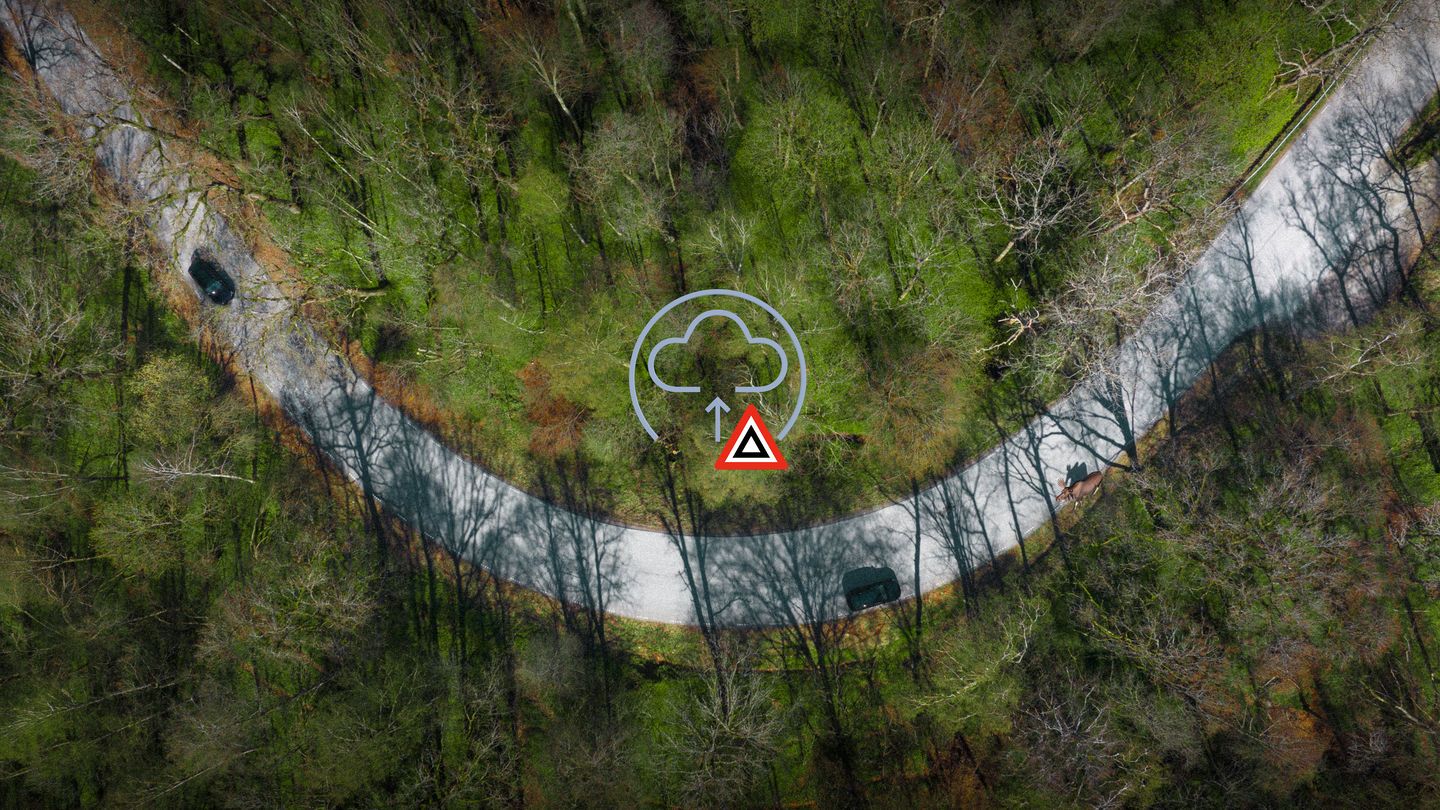
Volvo Adds New Ways for the EX60 to Warn You of Hidden Dangers
Some of the most dangerous moments on the road are the ones you never see coming: an animal stepping out from a treeline, a cyclist just past a...
Read more
A Look at the Things Volvo's Voice Assistant Can Do
Talking to your car sounds like something out of a movie, but it has quietly become one of the more useful parts of driving a modern Volvo. Between...
Read morePowered and developed by
