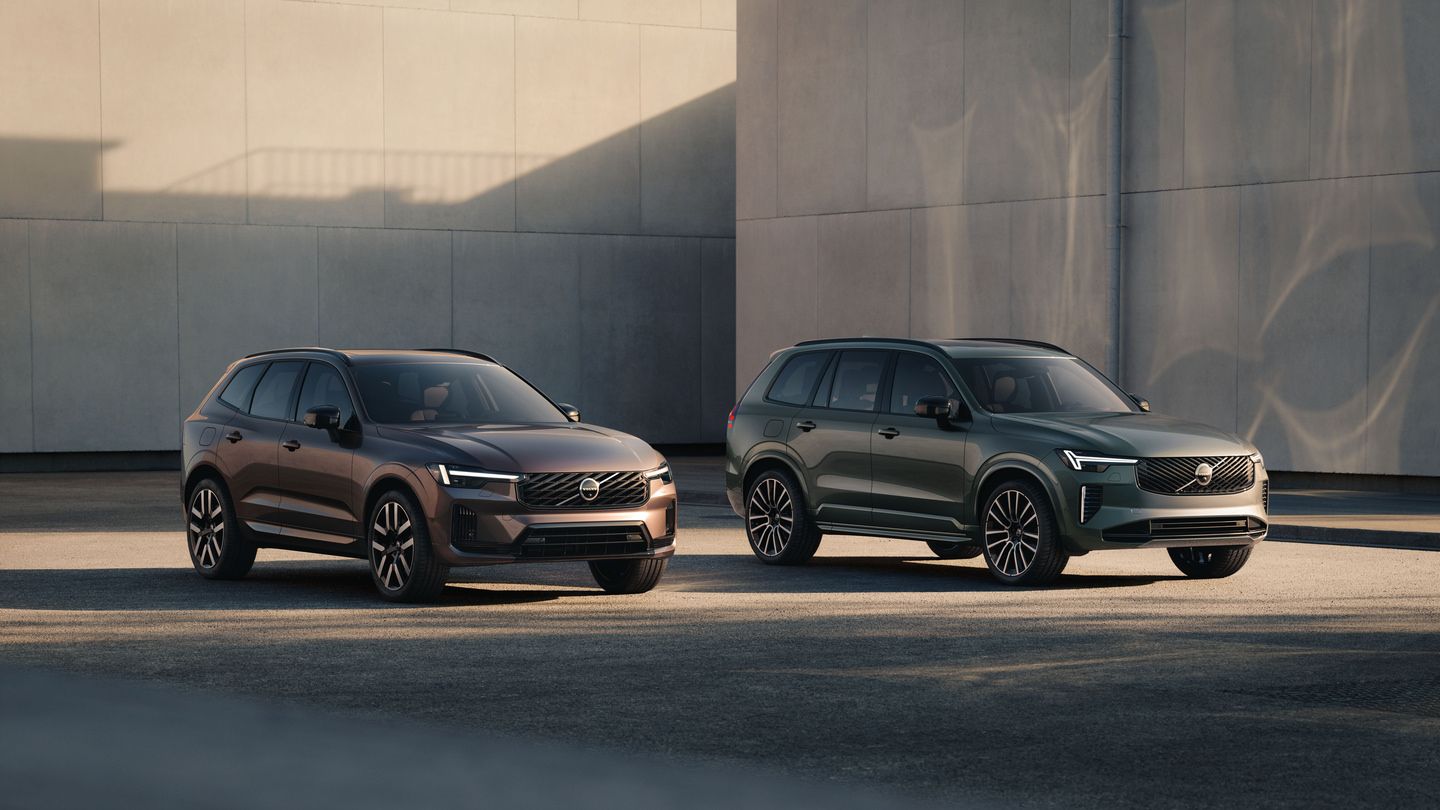
Volvo Increases the Range of the 2028 XC60 and XC90 Plug-in Hybrid SUVs
Volvo has given two of its most popular SUVs a longer electric range. The plug-in hybrid XC60 and XC90 now travel further on battery power alone...
Read moreVolvo Cars Mississauga

The 2027 Volvo EX60, revealed on January 21, 2026, marks the debut of SPA3—Scalable Product Architecture 3—Volvo's first ground-up electric vehicle platform designed without compromises from internal combustion engine requirements. This platform represents a fundamental shift in how Volvo engineers electric vehicles, addressing the limitations that emerged when adapting gasoline-powered architectures for battery-electric propulsion. For drivers in Mississauga and across Ontario considering the transition to electric mobility, understanding SPA3 explains why the EX60 delivers up to 640 kilometres of range in the P12 AWD variant while maintaining the interior space, safety standards, and driving dynamics expected from a premium mid-size SUV.
The distinction between SPA3 and previous platforms lies in engineering philosophy. Earlier Volvo electric vehicles, including the EX90 and ES90, utilize SPA2—an architecture derived from platforms that originally accommodated gasoline engines, transmissions, and exhaust systems. SPA2 delivered capable electric vehicles, but its design retained structural elements and packaging constraints from its multi-powertrain origins. SPA3 eliminates these compromises by starting with a clean sheet, optimizing every element specifically for electric propulsion.
The Clean-Sheet Advantage
SPA3's primary advantage stems from its singular focus. When engineers design a platform that must accommodate both gasoline and electric powertrains, they make trade-offs. Battery placement works around components like transmission tunnels or fuel tank locations. Floor structures account for exhaust routing. Suspension mounting points consider engine weight distribution. These compromises add weight, consume space, and limit optimization potential.
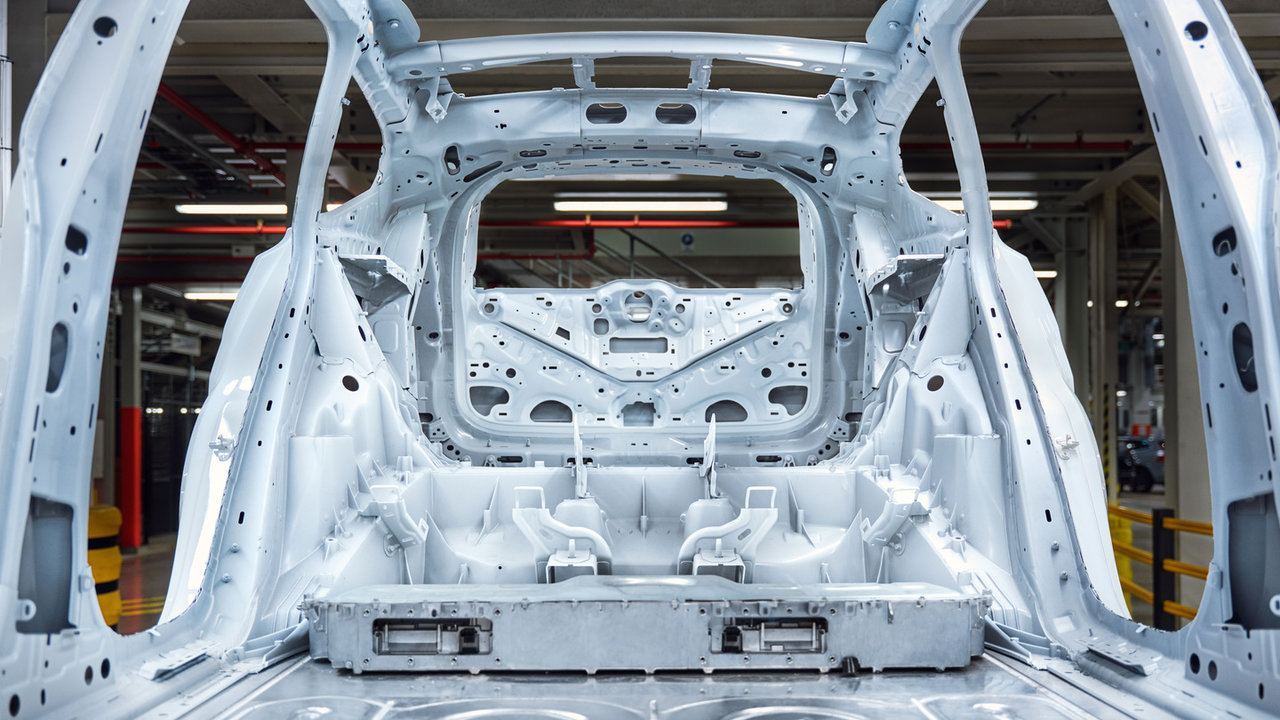
SPA3 removes these constraints entirely. The platform integrates the battery as a structural component from the beginning, using cell-to-body technology where individual battery cells bond directly to the floor structure. This approach eliminates separate battery enclosures and allows engineers to reduce material thickness in surrounding structures because the battery assembly contributes to chassis rigidity.
The result is measurable weight reduction. Eliminating redundant protective structures, removing components required for gasoline powertrains, and optimizing material use throughout the platform creates savings that directly improve range. Every kilogram saved means less energy required to move the vehicle, extending the distance achievable from the same battery capacity.
The flat floor made possible by SPA3's electric-only design creates additional benefits. Rear seat passengers in the EX60 gain more legroom due to the absence of transmission tunnels. The long wheelbase and flat floor architecture provide 1,328 litres of cargo capacity with rear seats folded, competitive with mid-size SUVs despite the EX60's focus on aerodynamic efficiency.
Scalability and Modularity
The "Scalable" designation in SPA3 describes the platform's ability to underpin multiple vehicle sizes without requiring complete redesign. Volvo can adjust wheelbase length, battery capacity, motor configurations, and body styles while maintaining core structural elements, manufacturing processes, and software systems.
This scalability differs from simply stretching or shortening a single design. SPA3 establishes standardized mounting points, electrical architectures, and structural interfaces that remain consistent across different vehicles. When Volvo develops a compact crossover, a mid-size sedan, or a larger SUV on SPA3, engineers work with known parameters rather than starting from scratch.
The modularity extends to component selection. SPA3 supports different battery chemistries, motor configurations, and power electronics without requiring platform redesign. The EX60 launches with two variants—P12 AWD offering 640 kilometres of range and P10 AWD delivering 514 kilometres—both using the same fundamental platform structure. Future models can adapt battery capacity, motor output, or electrical system voltage as technology evolves without redesigning the underlying architecture.
This approach delivers economic efficiency for Volvo while ensuring continuous improvement for customers. When battery energy density improves or new motor technology emerges, SPA3 can integrate these advances across the product line. Owners benefit from over-the-air software updates that can unlock performance improvements, refined energy management, or enhanced charging strategies developed after vehicle production.
Manufacturing Efficiency Through Mega Casting
SPA3 introduces mega casting to Volvo's manufacturing process, a technique where high-pressure aluminum injection creates single large components that previously required hundreds of stamped and welded parts. The EX60's rear underbody structure, traditionally assembled from numerous smaller pieces, becomes a single casting produced in approximately 90 seconds.
This manufacturing approach reduces complexity, improves dimensional consistency, and decreases assembly time. Traditional body construction involves stamping individual panels, welding them together in specific sequences, and finishing the assembly with corrosion protection and paint. Each welding operation introduces potential variation in tolerances and structural integrity.
Mega casting eliminates these variables. A single die creates a precisely dimensioned component with consistent material properties throughout. The reduction in weld points decreases potential failure modes and improves crash performance predictability. Fewer parts mean fewer quality control checkpoints and faster production cycles.
The weight savings from mega casting come from two sources. First, eliminating overlapping material at weld joints removes redundant metal. Second, engineers can optimize material thickness throughout the casting based on structural load requirements, using more material where needed and less where loads are lighter. This targeted approach to material distribution reduces weight while maintaining or improving strength.
The mega casting equipment installed at Volvo's Torslanda plant in Sweden required significant capital investment, but the long-term benefits extend beyond manufacturing efficiency. Reduced part count simplifies supply chain management, decreases inventory requirements, and improves production flexibility. When Volvo introduces new models on SPA3, the core manufacturing process remains consistent, reducing retooling costs and production ramp time.
The 800-Volt Electrical Architecture

SPA3 implements an 800-volt electrical system, doubling the voltage of the 400-volt systems found in most current electric vehicles including Volvo's EX90 and competitors like the Tesla Model Y. This voltage increase directly impacts charging speed and efficiency.
Electrical power equals voltage multiplied by current. At 400 volts, delivering 200 kilowatts of charging power requires 500 amperes of current flow. At 800 volts, the same 200 kilowatts requires only 250 amperes. Lower current reduces resistive heating in cables, connectors, and battery cells, allowing faster charging without thermal limitations.
The EX60 can accept up to 400 kilowatts from compatible fast chargers, adding 270 kilometres of range in 10 minutes. This charging speed approaches the time required for a gasoline fill-up, eliminating the primary practical objection many Ontario drivers have about electric vehicle ownership. A driver traveling from Mississauga to Ottawa could stop once for charging, add sufficient range to reach the destination, and spend less time charging than they would typically spend at a highway rest stop.
The 800-volt system also improves efficiency during vehicle operation. Higher voltage allows smaller, lighter cables throughout the electrical system while carrying the same power. Power electronics operate more efficiently at higher voltages, reducing energy losses during conversion between battery DC power and motor AC power. These efficiency gains compound throughout daily driving, extending range beyond what battery capacity alone would suggest.
In-House E-Motor Development
SPA3 debuts Volvo's in-house developed electric motors, designed specifically for this platform rather than sourced from external suppliers. This vertical integration provides several advantages for engineering optimization and long-term product development.
Motors developed internally integrate tightly with the platform's power electronics, battery management systems, and software controls. Volvo engineers can optimize the entire powertrain as a unified system rather than integrating discrete components designed independently. This systems-level approach improves efficiency, responsiveness, and thermal management.
The in-house motors also support Volvo's long-term product strategy. As motor technology evolves—through advances in magnet materials, winding techniques, or cooling systems—Volvo can implement improvements directly rather than waiting for supplier product cycles. This control over the development timeline ensures continuous refinement based on real-world performance data and customer feedback.
The P12 AWD configuration in the EX60 uses dual motors, one driving each axle. This arrangement provides all-wheel drive capability with precise torque distribution, improving traction in Ontario's winter conditions while maintaining efficiency during highway driving. The motors can operate independently, allowing the front motor to disengage during steady cruising to reduce parasitic losses.
HuginCore: The Software Foundation
SPA3 vehicles run on HuginCore, Volvo's core computing platform that centralizes vehicle functions previously distributed across dozens of separate electronic control units. This consolidated approach mirrors developments in consumer technology, where powerful central processors replaced specialized chips for individual functions.
HuginCore processes sensor data from cameras, radar, lidar, and ultrasonic detectors, manages power distribution between battery and motors, controls climate systems, and runs infotainment functions. Consolidating these tasks into a single computing architecture reduces weight by eliminating redundant processors, decreases wiring complexity, and enables more sophisticated feature integration.
The platform's computing power also enables over-the-air updates that can add functionality, improve performance, or refine energy management strategies after vehicle delivery. When Volvo develops improved battery conditioning algorithms or more efficient motor control software, HuginCore allows these improvements to deploy to existing vehicles without requiring dealership visits.
The EX60 debuts Gemini, Google's AI assistant, as the first Volvo vehicle with this deeply integrated natural language interface. The integration depth exceeds what's possible with smartphone-mirrored systems like CarPlay or Android Auto—Gemini accesses vehicle functions directly through HuginCore, allowing natural conversation about climate controls, navigation, charging status, or vehicle settings without memorizing specific voice commands.
Safety Structure and Crash Performance
Electric vehicle platforms face unique safety challenges. Battery pack protection requires robust underbody structures, while the absence of a traditional engine compartment changes front-impact energy management. SPA3 addresses these requirements through its integrated structural approach.
The safety cage, strengthened with boron steel in critical areas, works in conjunction with the cell-to-body battery assembly to manage crash forces. In a collision, energy distributes through the integrated structure rather than concentrating at isolated mounting points. The battery pack's position low in the vehicle and spanning the full wheelbase provides a rigid foundation that improves structural integrity.
Front and rear crumple zones designed specifically for electric powertrains manage impact energy without relying on engine block mass or transmission components. The mega-cast rear structure provides consistent crush characteristics compared to traditional welded assemblies, improving crash performance predictability during safety testing and real-world collisions.
Volvo's multi-adaptive safety belt system, introduced in the EX60, adjusts restraint forces based on occupant size, seating position, and collision severity. This system monitors more variables than traditional three-point belts, providing protection tailored to specific crash scenarios rather than a single compromise calibration.
Future-Proofing Through Platform Flexibility
SPA3's design anticipates technological evolution beyond the EX60's launch specifications. The platform's electrical architecture supports higher battery capacities as energy density improves. The structural design accommodates different motor configurations as performance requirements change. The computing platform scales to support additional sensors or processing-intensive features as these technologies mature.
This forward compatibility ensures vehicles built on SPA3 remain competitive as electric vehicle technology advances. A buyer choosing an EX60 in 2026 purchases a platform designed to integrate improvements developed through 2030 and beyond. Over-the-air updates can deploy software enhancements, but the underlying hardware architecture must support these improvements—SPA3's design provides this foundation.
The platform's flexibility also allows Volvo to respond to changing market demands. If consumer preference shifts toward different vehicle sizes, battery configurations, or feature content, SPA3 can adapt without requiring complete platform redesign. This agility reduces development costs and accelerates time-to-market for new models.
What SPA3 Means for EX60 Buyers
The engineering advantages of SPA3 translate to practical benefits for drivers in Mississauga and Ontario. The 640-kilometre range in the P12 AWD variant provides sufficient capacity for daily driving with weekend trips to cottage country or travel between cities without range anxiety. The 800-volt charging system makes fast charging practical for longer journeys, eliminating the extended charging times that made early electric vehicles impractical for road trips.
The platform's weight optimization through cell-to-body integration and mega casting improves efficiency without sacrificing interior space or safety performance. The flat floor and optimized packaging provide a spacious cabin despite the EX60's focus on aerodynamic efficiency. The integration of HuginCore enables sophisticated features and ensures the vehicle improves through software updates rather than becoming obsolete as technology advances.
For Ontario drivers considering electric vehicles, SPA3 represents Volvo's engineering solution to the challenges that prevented widespread electric vehicle adoption: insufficient range, slow charging, packaging compromises, and uncertain long-term relevance. The platform addresses these concerns through fundamental architectural decisions rather than incremental improvements to adapted gasoline-powered designs.
The EX60 begins Canadian deliveries in fall 2026, with the P10 AWD variant starting from $77,500 before freight, PDI, fees, and taxes. Online configurations and deposits open this spring through Volvo's website, with the One Price Promise providing transparent pricing and delivery estimates.
Visit our team at Volvo Cars Mississauga in Mississauga to learn more about how SPA3's electric-only architecture delivers the range, performance, and functionality that makes the EX60 a practical choice for Ontario families transitioning to electric mobility.
Volvo Increases the Range of the 2028 XC60 and XC90 Plug-in Hybrid SUVs
Volvo has given two of its most popular SUVs a longer electric range. The plug-in hybrid XC60 and XC90 now travel further on battery power alone...
Read more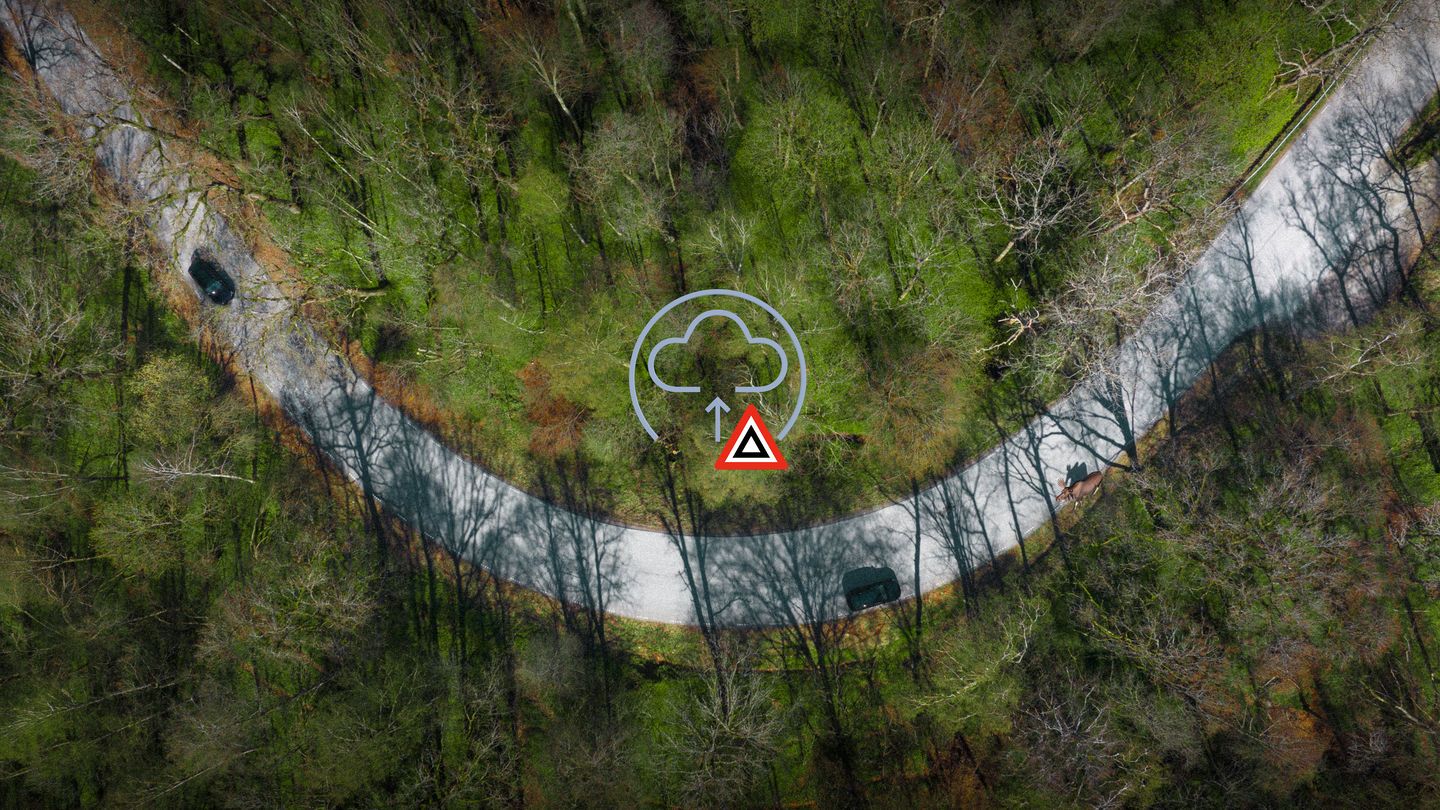
Volvo Adds New Ways for the EX60 to Warn You of Hidden Dangers
Some of the most dangerous moments on the road are the ones you never see coming: an animal stepping out from a treeline, a cyclist just past a...
Read more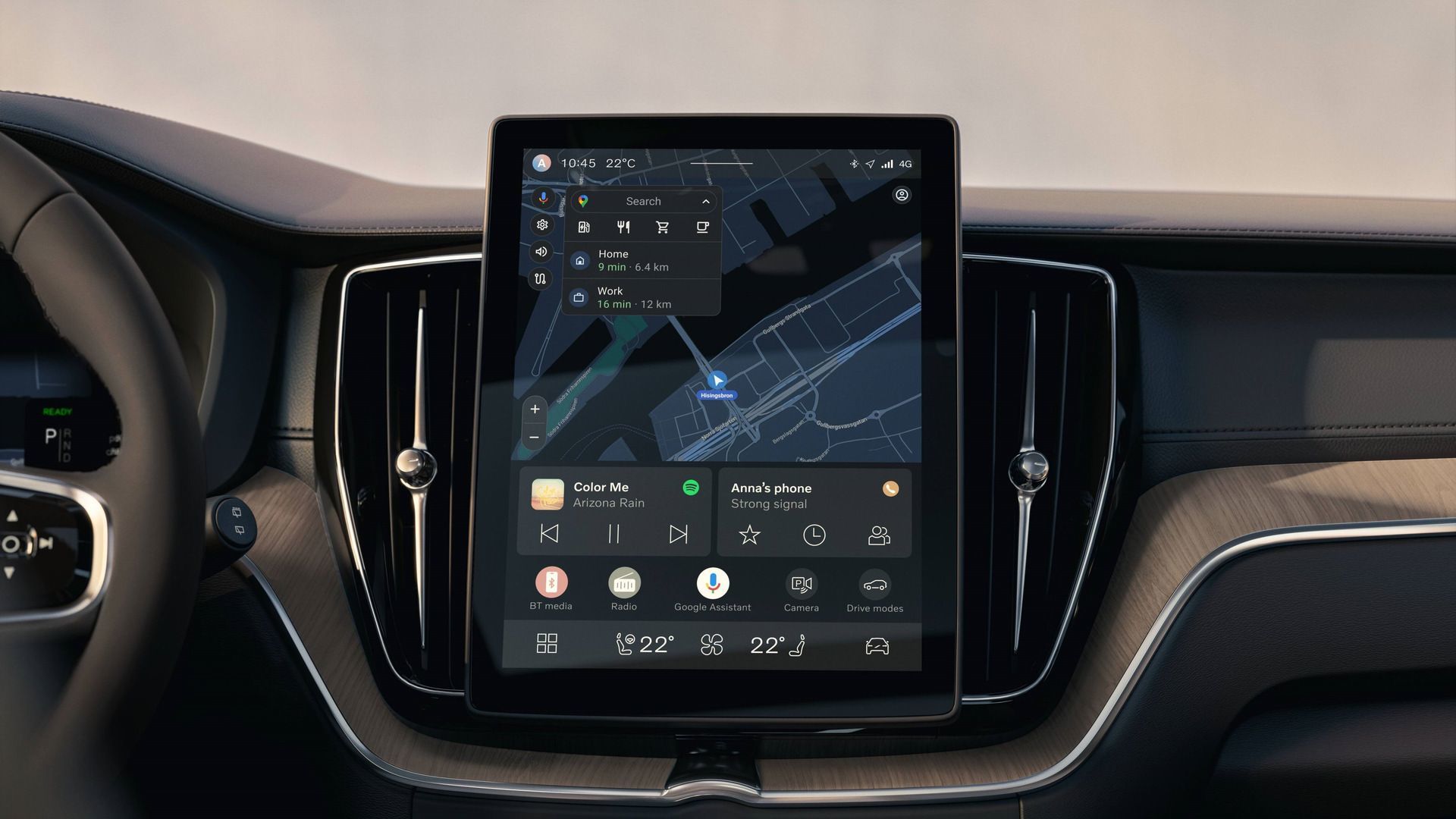
A Look at the Things Volvo's Voice Assistant Can Do
Talking to your car sounds like something out of a movie, but it has quietly become one of the more useful parts of driving a modern Volvo. Between...
Read morePowered and developed by
