
Photo for illustrative purposes only.
Find out moreVolvo Cars Mississauga

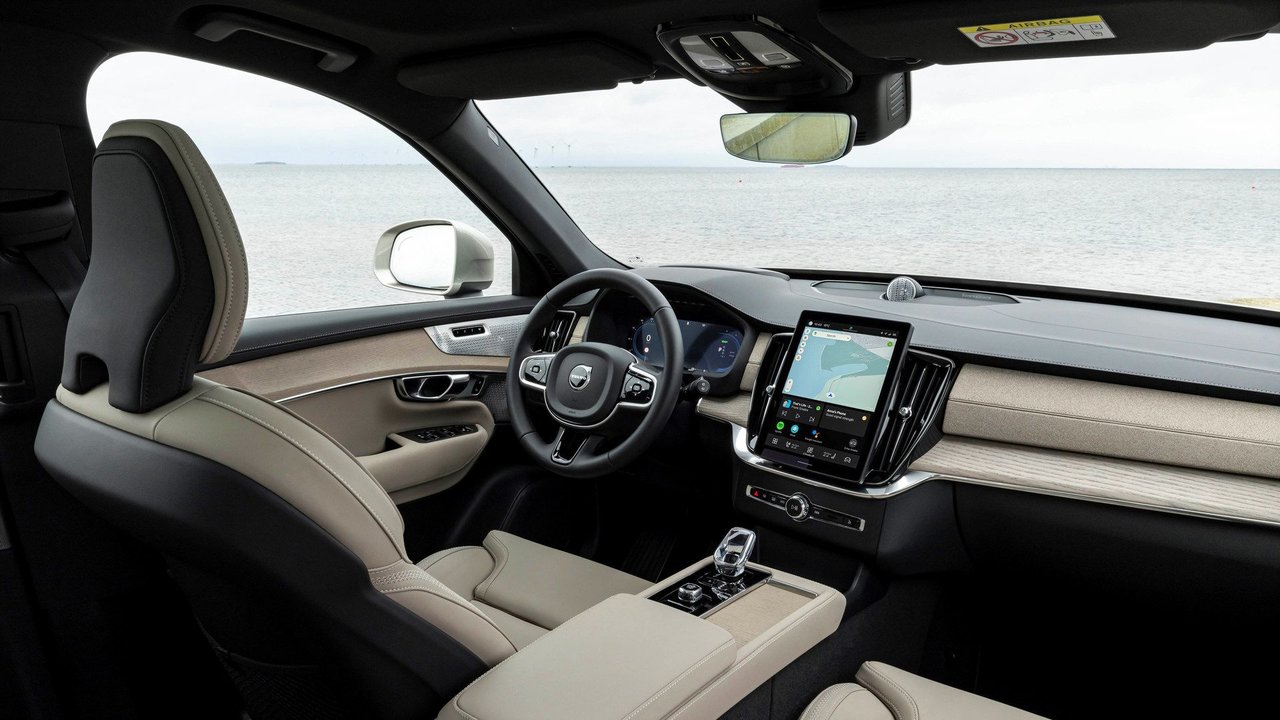
Volvo's Advanced Air Quality System includes a PM 2.5 particle filter that prevents up to 95 percent of hazardous airborne particles from entering the cabin, real-time air quality monitoring displayed on the center screen, and automatic recirculation mode that activates when external pollution exceeds safe thresholds. For Mississauga drivers considering XC models or electric vehicles, this system addresses air quality challenges specific to Ontario: seasonal pollen during spring allergy season, urban pollution from Highway 401 traffic corridors, wildfire smoke that increasingly drifts into southern Ontario during summer months, and winter road salt particulates. Unlike standard automotive cabin filters that capture only large particles like dust and pollen, Volvo's system filters particles as small as 2.5 microns—smaller than most bacteria and far below what basic filtration removes.
The system operates continuously whenever climate control runs, monitoring both exterior and interior air quality through sensors that measure particulate concentration in micrograms per cubic meter. When exterior pollution levels spike—passing diesel trucks on highways, driving through industrial areas, or encountering wildfire smoke—the system automatically switches to recirculation mode within seconds, drawing air from the cabin interior rather than outside. This automatic response requires no driver intervention and reverses once outdoor air quality improves, preventing cabin staleness while maintaining protection during pollution events.
Understanding PM 2.5 Particles and Health Impact
PM 2.5 designates particulate matter measuring 2.5 microns or smaller in diameter—approximately 30 times smaller than the width of human hair. At this size, particles bypass the body's natural filtration systems in the nose and throat, traveling deep into lungs and potentially crossing into the bloodstream. The 2.5 micron threshold matters because smaller particles penetrate further into respiratory tissue and remain airborne longer than larger particles that settle quickly.
Common PM 2.5 sources in Ontario include vehicle exhaust (particularly from diesel engines), industrial emissions, wood smoke from residential heating and wildfires, road dust containing brake pad particles and tire wear compounds, and pollen during spring months. Mississauga's location creates specific exposure patterns: proximity to Highway 401's heavy truck traffic corridor, Toronto Pearson International Airport vicinity with jet exhaust, and urban density concentrating vehicle emissions in residential areas.
Ontario's Air Quality Health Index frequently identifies PM 2.5 as the primary pollutant of concern during summer smog events when high temperatures and stagnant air trap pollution close to ground level. Health Canada guidelines suggest limiting PM 2.5 exposure, particularly for children, elderly individuals, and anyone with respiratory or cardiovascular conditions. While outdoor PM 2.5 levels vary throughout the day based on traffic patterns, weather, and industrial activity, vehicle cabins equipped with PM 2.5 filtration can maintain significantly lower particle concentrations than ambient air.
The health impacts of PM 2.5 exposure include respiratory irritation, increased asthma trigger frequency, reduced lung function in children whose respiratory systems are still developing, and elevated cardiovascular stress in adults with existing heart conditions. Extended exposure to elevated PM 2.5 levels correlates with increased hospital admissions for respiratory and cardiac events. Vehicle cabin filtration provides measurable exposure reduction for drivers and passengers who spend significant time commuting through areas with elevated particle concentrations.
How Volvo's Multi-Stage Filtration System Works
The Advanced Air Quality System employs three filtration stages positioned before air enters the cabin through the climate control system. The pre-filter captures large particles including dust, insects, and leaf fragments—materials that would quickly clog finer filtration media. This initial stage extends the lifespan of subsequent filters by removing contaminants that don't require high-efficiency filtration.
The main filter uses HEPA-type media that captures particles down to 2.5 microns with up to 95 percent efficiency under laboratory testing conditions. Real-world effectiveness depends on filter condition, seal integrity around the filter housing, and the severity of outdoor pollution events. A properly maintained filter demonstrates measurably lower interior PM 2.5 readings compared to exterior levels, typically showing 70 to 90 percent reduction during normal driving conditions.
The activated carbon layer, integrated into the filter assembly, adsorbs gaseous pollutants and odors including nitrogen dioxide from vehicle exhaust, ozone that forms during photochemical smog events, and volatile organic compounds from industrial sources. This layer targets different contaminants than the particulate filter—gaseous molecules that would pass through mechanical filtration unchanged. The carbon media saturation determines odor filtration effectiveness, with fresh filters providing stronger odor reduction than filters nearing replacement intervals.
The filter assembly mounts in the airflow path before air reaches cabin vents, meaning all air entering through the climate system—whether for heating, cooling, or ventilation—passes through filtration. The system doesn't filter air when climate control is completely off, and it can't filter air that enters when windows or doors open. Maintaining closed windows in heavy traffic or polluted environments maximizes filtration effectiveness.
Real-Time Air Quality Monitoring and Display
The center screen displays both exterior and interior PM 2.5 concentrations measured in micrograms per cubic meter (μg/m³), the standard unit used by air quality monitoring agencies worldwide. World Health Organization guidelines recommend annual average PM 2.5 exposure below 15 μg/m³ for long-term health protection. Ontario typically experiences 20 to 40 μg/m³ during summer smog events, with wildfire smoke pushing concentrations above 100 μg/m³ during severe episodes.
The display uses color coding for quick reference: green indicates good air quality with PM 2.5 below health concern thresholds, yellow signals moderate levels where sensitive individuals may experience effects, and red warns of unhealthy concentrations affecting broader populations. Interior readings typically show substantially lower values than exterior readings when the filtration system operates properly, demonstrating the filter's effectiveness in real time.
Exterior sensors monitor continuously while driving, updating readings as conditions change. Interior sensors track cabin air quality, showing gradual improvement after the system switches to recirculation mode following exposure to polluted air. The lag between exterior pollution detection and interior air quality improvement reflects the time required to filter the existing cabin air volume through the recirculation process.
The monitoring function provides educational value beyond immediate health protection. Many Mississauga drivers remain unaware of air quality variations throughout their daily routes—discovering that Highway 401 traffic concentrations differ markedly from residential streets, or that industrial areas near the waterfront show elevated readings compared to suburban neighborhoods. This awareness can inform route planning for drivers with respiratory sensitivities or young children.
Automatic Recirculation and Pollution Detection
When exterior PM 2.5 concentrations exceed programmed thresholds, the system automatically switches climate control from fresh air mode to recirculation mode. In recirculation, air cycles through cabin filtration repeatedly rather than drawing new air from outside. This prevents polluted exterior air from entering while the filtration system gradually reduces existing cabin particle levels.
The transition occurs within seconds of pollution detection. Entering Highway 401 traffic behind diesel trucks triggers automatic recirculation as exhaust concentration spikes. Passing industrial facilities with visible emissions activates the system. Driving through areas affected by wildfire smoke initiates recirculation mode that persists until the vehicle exits the affected region.
The system reverses to fresh air mode once exterior pollution drops below threshold levels. Extended recirculation causes cabin carbon dioxide concentration to rise as occupants exhale, creating stuffiness and potentially drowsiness. The system balances pollution protection against cabin air freshness by returning to fresh air intake whenever exterior quality permits. This automatic cycling prevents the staleness that would result from constant recirculation while maintaining protection during pollution events.
Drivers can manually override automatic recirculation by selecting fresh air mode through climate controls, though the system warns if exterior pollution levels remain elevated. Manual override makes sense when cabin odors from occupants, pets, or cargo outweigh concerns about temporary exterior pollution exposure, or when traffic stops with engine running in polluted conditions threaten overheating due to insufficient airflow.
CleanZone Pre-Conditioning Feature
CleanZone allows remote activation of the ventilation system before entering the vehicle, running cabin air through filtration to clear accumulated particles and odors while the vehicle remains parked. The Volvo Cars app provides CleanZone control from smartphones, triggering the climate system to operate in ventilation mode without heating or cooling.
Common CleanZone scenarios include clearing hot, stale air from sun-heated interiors in parking lots—the ventilation brings in exterior air which, even if slightly elevated in PM 2.5, remains fresher than trapped cabin air heated to 50 or 60 degrees Celsius. The system removes musty odors from overnight parking in humid conditions, filters pollen before allergy-sensitive passengers enter during spring months, and clears industrial odors after parking near manufacturing facilities.
CleanZone operation consumes modest electrical power from the vehicle's 12-volt battery. Gasoline vehicles rely on the starter battery, which limits run time to prevent situations where CleanZone depletes the battery sufficiently to prevent engine starting. Electric vehicles draw from the high-voltage traction battery, providing longer operation without start concerns. The app monitors battery status and prevents CleanZone operation if charge falls below safe thresholds.
Pre-conditioning proves particularly valuable during high pollen days when vehicles parked outdoors accumulate pollen on interior surfaces despite closed windows. CleanZone circulates air through the system for several minutes before occupants enter, capturing airborne pollen settled inside and reducing allergen exposure when doors open. Allergy sufferers report noticeable benefit from this practice during peak pollen seasons in April and May across Ontario.
Seasonal Air Quality Challenges in Ontario
Spring months from March through May bring elevated pollen concentrations as trees flower followed by grass pollination. While most pollen particles measure 10 to 30 microns—substantially larger than the 2.5 micron PM 2.5 designation—the filtration system captures these particles effectively. The PM 2.5 sensor counts some larger pollen particles, showing elevated exterior readings during peak pollen days. Pollen-sensitive drivers benefit from keeping windows closed and monitoring the air quality display to identify high-pollen driving conditions.
Summer conditions from June through August create ground-level ozone and elevated PM 2.5 during hot, sunny weather with minimal wind. Photochemical reactions between vehicle emissions and sunlight produce ozone and secondary particulates that concentrate during afternoon hours. Wildfire smoke from Quebec, Northern Ontario, or western provinces increasingly drifts into southern Ontario, dramatically elevating PM 2.5 levels over multi-day periods. The automatic recirculation system responds to these events, though extreme wildfire smoke concentrations may still result in some interior PM 2.5 elevation despite filtration.
Fall months from September through November bring reduced ozone as temperatures cool, but agricultural harvesting creates dust and leaf mold releases allergenic particles. Residential wood heating begins increasing as evening temperatures drop, adding particulate emissions from incomplete combustion in older wood stoves and outdoor fire pits. The transition from summer to winter creates variable air quality requiring the system's automatic response to handle rapidly changing conditions.
Winter from December through February presents unique challenges including road salt spray containing salt crystals and abraded pavement particles, increased residential wood smoke as heating demand peaks, and cold-start vehicle emissions elevated due to incomplete fuel combustion before catalytic converters reach operating temperature. Snow and ice on the exterior PM 2.5 sensor can temporarily affect reading accuracy until vehicle motion or warming dislodges accumulated precipitation.
Filter Replacement and Maintenance Requirements

Volvo recommends cabin air filter replacement every two years or 32,000 kilometres, whichever occurs first. This interval balances filter performance degradation against service convenience and cost. Filters subject to heavy urban driving with daily highway commuting may show reduced performance before reaching the scheduled interval, while vehicles driven primarily on rural roads with minimal traffic might maintain effectiveness beyond the standard replacement schedule.
Signs indicating filter replacement include reduced airflow from climate vents even with fan at maximum speed, persistent musty odors despite CleanZone operation, and PM 2.5 readings showing minimal difference between exterior and interior levels during pollution events. The last indicator suggests filter media saturation or seal failure allowing unfiltered air bypass. Drivers noticing these symptoms should schedule filter inspection regardless of time or kilometres since last replacement.
Genuine Volvo cabin air filters cost between $40 and $80 depending on vehicle model, with higher-end models requiring larger filters. Installation labor adds $100 to $150 at Volvo service centers, though mechanically inclined owners can perform replacement themselves. Filter location varies by model but typically sits behind the glove box, accessible by removing the glove box assembly. The procedure requires no special tools beyond basic screwdrivers for most models.
Aftermarket filters exist at lower price points but may not meet Volvo's filtration specifications. Some aftermarket options lack activated carbon layers, reducing gaseous pollutant and odor removal. Others use different media density affecting both particulate capture efficiency and airflow restriction. Volvo genuine parts ensure the filtration performance and airflow characteristics the system was designed to provide.
Comparing Volvo's System to Standard Automotive Filtration
All modern vehicles sold in Canada include cabin air filters as standard equipment, typically capturing particles down to 5 to 10 microns—adequate for dust, leaves, insects, and large pollen grains but insufficient for PM 2.5 particle filtration. These basic filters prevent visible debris from entering cabins but don't address fine particulates that pose health concerns or trigger respiratory symptoms in sensitive individuals.
Volvo's Advanced Air Quality System distinguishes itself through real-time PM 2.5 monitoring showing actual particle concentrations rather than just filtering without measurement, automatic recirculation activation responding to detected pollution rather than relying on drivers to manually engage recirculation, integrated cabin air ionizer providing additional particle reduction, and remote CleanZone pre-conditioning through the mobile app.
Luxury competitors including BMW, Mercedes-Benz, and Audi offer similar air quality systems, though often as premium options rather than standard equipment. BMW's microfilter includes PM 2.5 filtration available on higher trim levels. Mercedes-Benz offers HEPA filtration on select models including the EQS and S-Class. Audi provides air quality monitoring on premium models. Volvo's approach makes the Advanced Air Quality System standard across XC40, XC60, XC90, and all electric vehicles rather than reserving the feature for top trims.
Non-luxury brands increasingly add cabin air quality features. Toyota includes ionizers on select models. Hyundai offers air purifiers on premium trims. Tesla's HEPA filtration and "Bioweapon Defense Mode" represents the most aggressive cabin filtration in consumer vehicles, though at premium pricing. Volvo's standard inclusion across the SUV lineup provides the technology without requiring top-trim selections.
Health Benefits and Real-World Impact
Reduced PM 2.5 exposure delivers documented health benefits including decreased respiratory irritation for individuals with asthma or chronic obstructive pulmonary disease, reduced allergy symptom severity during high pollen seasons, lower cardiovascular stress for individuals with heart conditions sensitive to air pollution, and improved breathing comfort for all occupants during wildfire smoke events or heavy traffic exposure.
The system particularly benefits families with young children whose developing respiratory systems show greater vulnerability to air pollution effects. Ontario children spend substantial time in vehicles during daily school commutes, sports activities, and family travel. Cabin air quality during these trips affects daily pollution exposure accumulation. Similarly, elderly passengers with age-related respiratory or cardiovascular conditions gain protection during essential travel including medical appointments and grocery shopping.
Allergy sufferers experience measurable symptom reduction during spring pollen seasons. While outdoor exposure continues during walking and other activities, filtered cabin air during vehicle travel provides relief periods that reduce overall allergen exposure. Drivers with severe seasonal allergies report the cabin environment as one of few pollen-reduced spaces during peak pollen weeks.
Realistic expectations matter—the system dramatically improves cabin air quality but doesn't eliminate all exterior air introduction. Opening windows for any reason introduces unfiltered air directly. Opening doors while parked in heavy traffic allows exhaust intrusion. Filter saturation during extreme pollution events reduces filtration effectiveness until the filter receives replacement. The system provides substantial improvement over no filtration rather than creating hermetic isolation from all outdoor pollution.
Using the System Effectively
Keeping recirculation mode on automatic rather than manually selecting fresh air mode during urban driving allows the system to respond to pollution without requiring driver attention. The automatic system switches faster than drivers typically react to visible exhaust or other pollution indicators. Manual fresh air override makes sense during low-traffic periods on clean roads where cabin freshness benefits outweigh minimal exterior pollution.
CleanZone pre-conditioning delivers maximum benefit during high pollen days or after parking in areas with industrial odors or visible exhaust accumulation. The few minutes of ventilation before entering removes odors and reduces airborne particle concentration, improving initial air quality when doors open. Setting CleanZone activation through the app five to ten minutes before returning to the vehicle provides sufficient time for air cycling without excessive battery drain.
Monitoring the PM 2.5 display occasionally builds awareness of air quality patterns along regular routes. Discovering which highway sections show elevated readings or which times of day create highest concentrations allows route or schedule adjustments when possible. For example, if morning rush hour traffic on Highway 401 shows consistently elevated PM 2.5 while mid-morning conditions improve, flexible schedules might shift travel timing.
Filter replacement at recommended intervals maintains optimal performance. Waiting for obvious degradation before replacing the filter means driving with reduced filtration for some period before symptoms become noticeable. Proactive replacement at scheduled intervals ensures consistent protection. Keeping windows closed when driving through heavy traffic or industrial areas maintains filtration effectiveness—even brief window opening during pollution exposure introduces unfiltered air that requires time to remove through recirculation and filtration.
The system works optimally when climate control operates. It doesn't filter air when climate control switches completely off. Setting climate to low fan speed with comfortable temperature maintains airflow through filtration without excessive energy consumption or noise. In electric vehicles, climate system operation reduces driving range slightly, but the impact remains minor compared to cabin heating or cooling loads.
Understanding System Limitations
The Advanced Air Quality System cannot filter gaseous pollutants like carbon monoxide, which requires different filtration technology than particulate removal. Carbon monoxide concerns arise from idling in enclosed spaces like garages or during extended traffic stops with heavy vehicle concentration. The system's activated carbon layer absorbs some gaseous pollutants but doesn't eliminate carbon monoxide risks.
Odors originating inside the vehicle—food spills, pet accidents, or interior material off-gassing from new vehicles—remain unaffected by the filtration system which only treats incoming air. These odors require interior cleaning or time for volatile compound dissipation. The ionizer provides minor odor reduction but doesn't eliminate strong interior odor sources.
The system cannot eliminate all pollen during extreme pollen events if windows open repeatedly or doors remain open during loading. Each door opening introduces unfiltered outdoor air directly. While the filtration system removes this introduced air over time, repeated openings during high pollen conditions result in elevated interior pollen compared to keeping the cabin sealed.
Biological contaminants introduced through passengers, cargo, or pets aren't filtered by the system. The PM 2.5 filtration targets airborne particles, not surface contamination or biological agents introduced through direct contact. Regular interior cleaning maintains hygiene independent of air filtration capability.
These limitations apply universally to automotive air filtration systems, not specifically to Volvo's implementation. Understanding what the system can and cannot do prevents unrealistic expectations while maximizing benefit from the features it provides.
Air Quality System Across Volvo's Lineup
The Advanced Air Quality System appears as standard equipment on XC60, XC90, XC40, and all electric models including EX30, EX40, EC40, and EX90. The V60 Cross Country and V90 Cross Country wagons include the system. The S60 sedan availability varies by trim level—buyers considering sedans should verify specific configuration inclusion.
The upcoming 2027 EX60 will include the latest iteration of the system maintaining the same core functionality including PM 2.5 filtration, real-time monitoring, automatic recirculation, and CleanZone pre-conditioning. While hardware remains consistent across models, larger vehicles like XC90 and EX90 have proportionally greater cabin volumes requiring slightly longer air turnover times, though filter capacity scales appropriately for each model.
System operation feels identical across the Volvo lineup. The center screen displays PM 2.5 readings in the same format whether driving a compact XC40 or three-row XC90. CleanZone activation through the Volvo Cars app provides the same interface regardless of model. Filter replacement intervals follow the same schedule. Buyers selecting any Volvo SUV or wagon receive equivalent air quality protection.
Visit Volvo Cars Mississauga in Mississauga to experience the Advanced Air Quality System in XC60, XC90, or electric models, observe real-time PM 2.5 monitoring, and test CleanZone pre-conditioning using the Volvo Cars app during your dealership visit.
Photo for illustrative purposes only.
Find out more
Volvo Increases the Range of the 2028 XC60 and XC90 Plug-in Hybrid SUVs
Volvo has given two of its most popular SUVs a longer electric range. The plug-in hybrid XC60 and XC90 now travel further on battery power alone...
Read more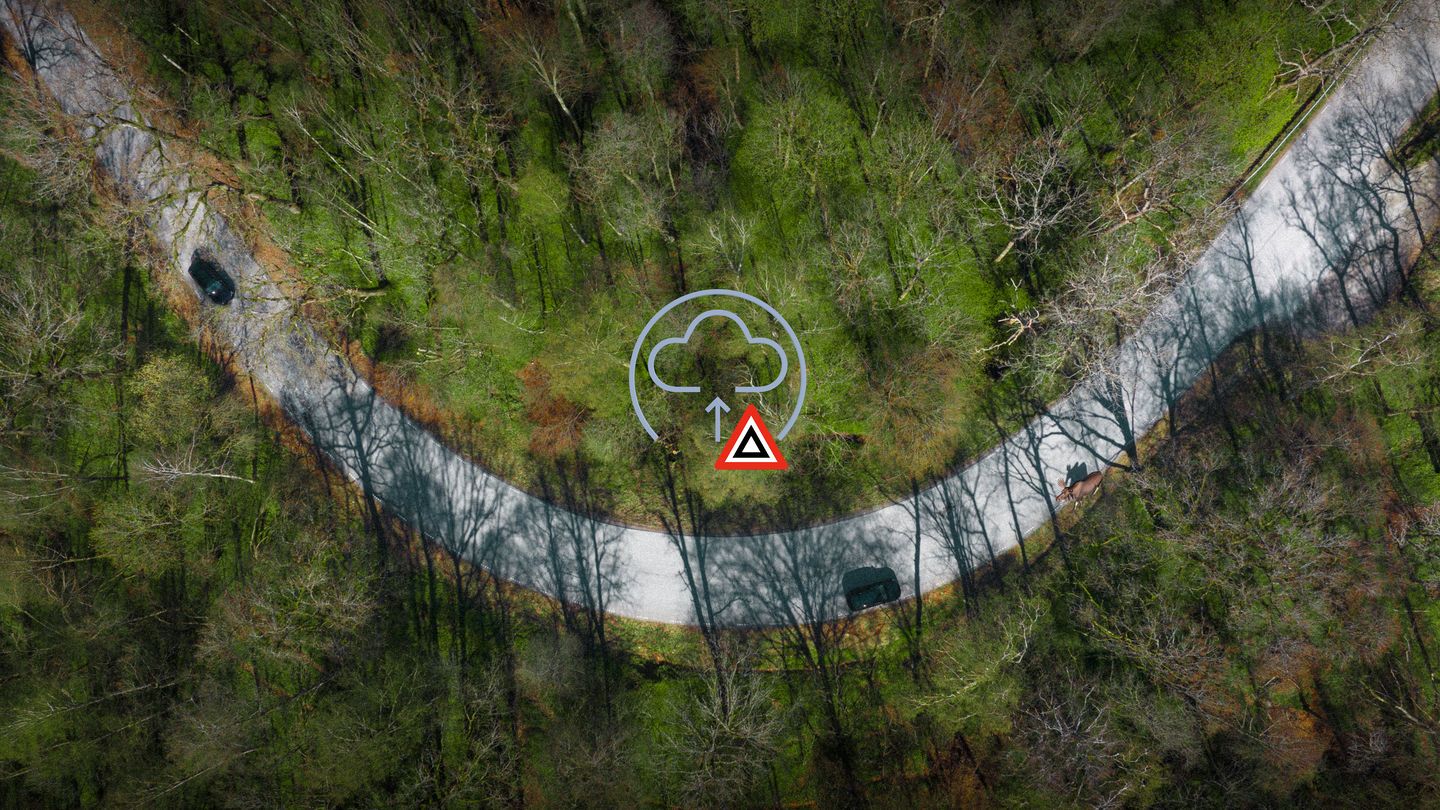
Volvo Adds New Ways for the EX60 to Warn You of Hidden Dangers
Some of the most dangerous moments on the road are the ones you never see coming: an animal stepping out from a treeline, a cyclist just past a...
Read more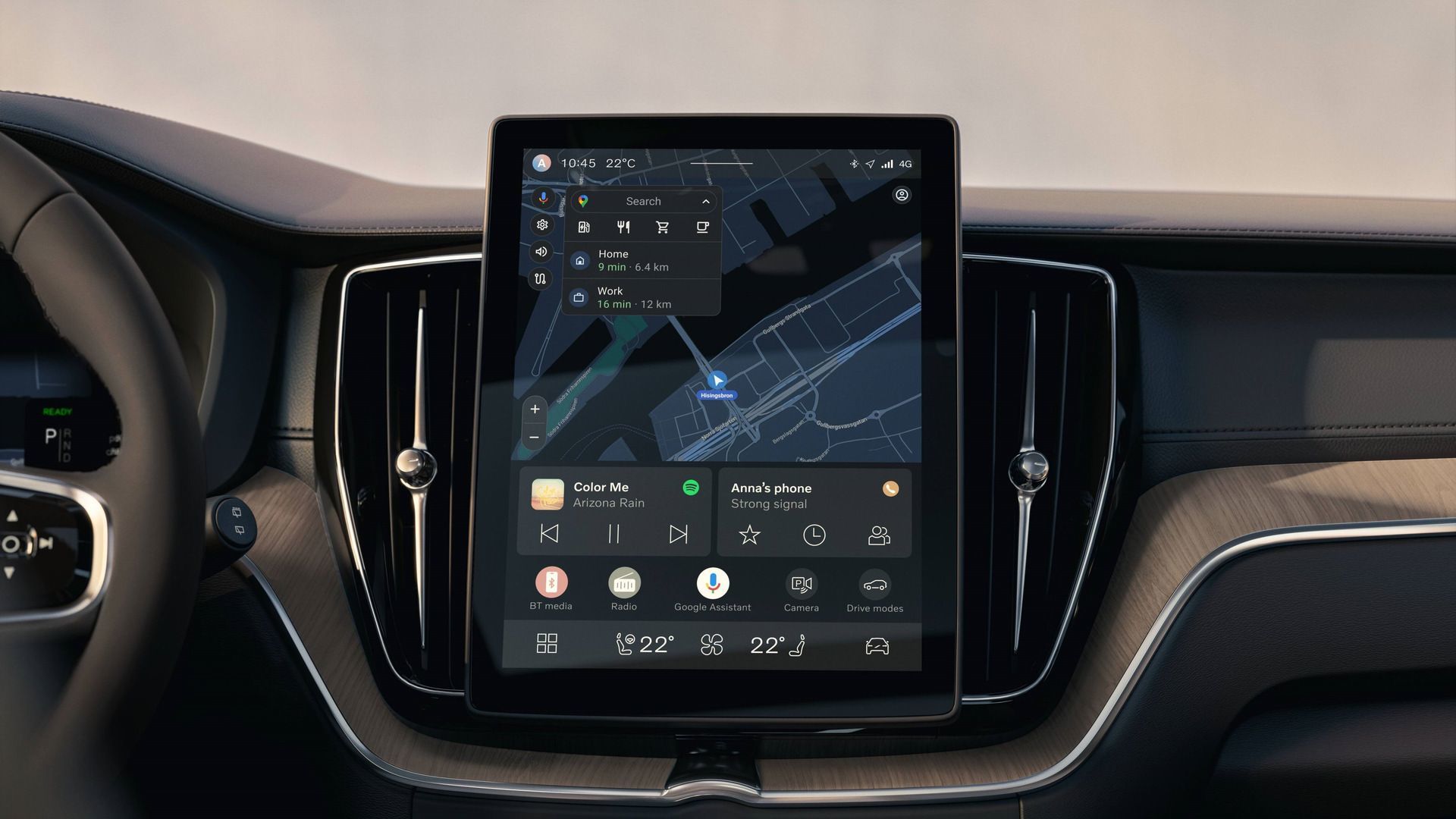
A Look at the Things Volvo's Voice Assistant Can Do
Talking to your car sounds like something out of a movie, but it has quietly become one of the more useful parts of driving a modern Volvo. Between...
Read morePowered and developed by
