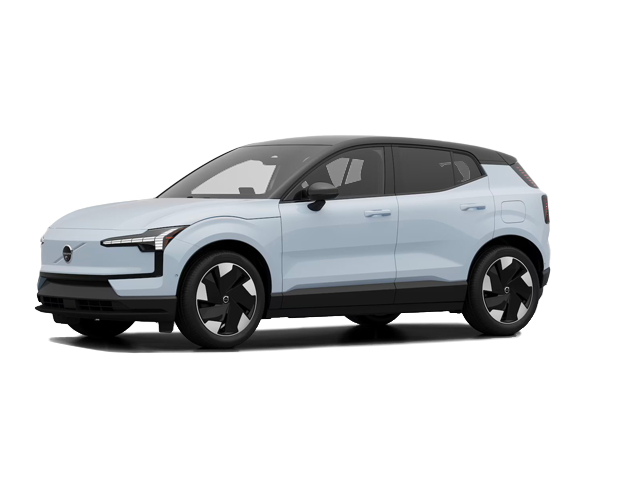
Photo for illustrative purposes only.
Find out moreVolvo Cars Mississauga

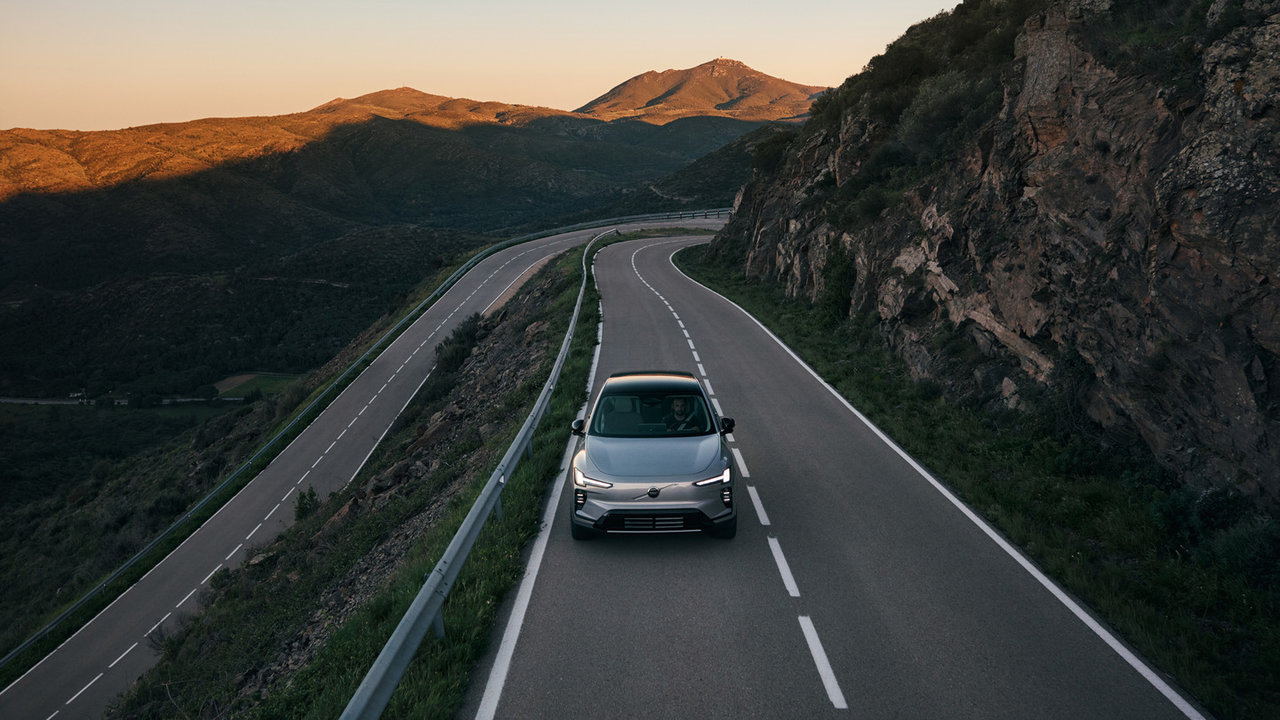
A moment of distraction is all it takes for a car to drift. A glance at a child in the back seat, a long day at work, or a gust of wind on an open road can move a vehicle toward the centre line or the shoulder before the driver notices.
Volvo builds its cars to watch for those moments. Using radar and cameras, a Volvo can sense when it is leaving its lane and act to guide it back. Here is how these systems work, which models list them, and what they do during an everyday drive.
What Is an Oncoming Lane Collision?
An oncoming lane collision happens when a vehicle crosses the centre line and enters the path of traffic coming the other way. Volvo describes the risk in plain terms: if you start drifting across the centre line, there is always a chance of a collision with an oncoming vehicle.
A run-off road collision is the opposite drift. The car leaves the pavement on the outside edge of the lane and heads for the shoulder, the ditch, or whatever sits beyond it. Both situations often start the same way, with a tired or distracted driver and a slow, unplanned change of direction.
How Oncoming Lane Mitigation Works

Oncoming Lane Mitigation is the Volvo feature built for the first situation. On the Volvo XC90, the system uses radar and a front camera to detect that the car has drifted into the oncoming lane. It then steers the car back into its own lane to avoid the risk of a collision.
The steps are simple to follow:
The Volvo EX30 Cross Country lists a second layer as well, called Oncoming mitigation by braking. It sits next to Oncoming Lane Mitigation on the standard equipment list, so the car has more than one way to respond when traffic is coming toward it.
How Volvo Helps Keep You on the Road
The same sensors watch the outside edge of the lane. Volvo states that the XC90 will also help you avoid inadvertently running off the road. On the EX30 Cross Country, the feature has its own name on the equipment list: Run-off road mitigation.
Several related features support it on that model:
Each one handles a different part of the same job, which is keeping the car in its lane and the driver aware of what is happening.
Which Volvo Models List These Features
Oncoming Lane Mitigation appears across much of the Volvo lineup. It is listed on the Core, Plus, and Ultra trims of the Volvo XC40, so buyers do not need to move up a trim to get it. It is also listed on the V60 Cross Country, the V90 Cross Country, the XC90, the EC40, and the EX30 Cross Country.
Run-off road mitigation is listed as standard on the EX30 Cross Country, and Volvo describes run-off road support on the XC90.
Other Volvo Systems That Work Alongside
Lane drift is only one kind of risk, and Volvo pairs these features with others that cover the rest of the road.
The Blind Spot Information System, known as BLIS, gives active support during lane changes. If there is a risk of collision with a vehicle in the next lane, BLIS can subtly adjust the steering. Volvo's collision avoidance technology works day or night to detect other vehicles, pedestrians, cyclists, and large animals. It warns the driver first, then applies the brakes automatically if the driver does not react. A separate function can brake the car during a turn across oncoming traffic if there is a risk of a collision.
Volvo also shares safety information between cars. Its connected safety technology, first launched in 2016, sends real-time hazard alerts based on data from other vehicles. Slippery Road Alert and Hazard Light Alert are part of it. On the Volvo EX60, four more alerts have been added: Large Animal Alert, Vulnerable Road User Alert, Roadwork Alert, and Accident Ahead Alert. More than 1 million Volvo cars have activated connected safety technology.
At a Glance

|
Feature |
What It Does |
|---|---|
|
Oncoming Lane Mitigation |
Detects drift across the centre line and steers the car back into its lane |
|
Run-off road mitigation |
Helps the driver avoid leaving the road by accident |
|
Lane Keeping Aid |
Watches lane markings and supports the driver in staying centred |
|
BLIS |
Supports lane changes and can adjust steering if a vehicle is in the next lane |
|
Collision avoidance |
Warns the driver, then brakes automatically for vehicles, pedestrians, cyclists, and large animals |
|
Connected safety alerts |
Shares real-time hazard warnings between Volvo cars |
Learn More at Volvo Cars Mississauga
Safety features are easier to understand when someone walks you through them in the car. The team at Volvo Cars Mississauga in Mississauga is happy to show you where these settings live on the centre display and explain how each one behaves on the road. Stop by with your questions and take your time.
Photo for illustrative purposes only.
Find out more
Why Choose the 2027 Volvo XC40 for Urban Drivers
City driving asks a lot of a vehicle. Parking spots are tight, traffic stops and starts, and cyclists and pedestrians share every block. A good...
Read more
What the Cross Country Name Brings to the Volvo EX30, V60, and EX60
Volvo introduced its first Cross Country model in 1997. The idea was simple: take a comfortable Volvo, raise it, protect it, and give it the...
Read more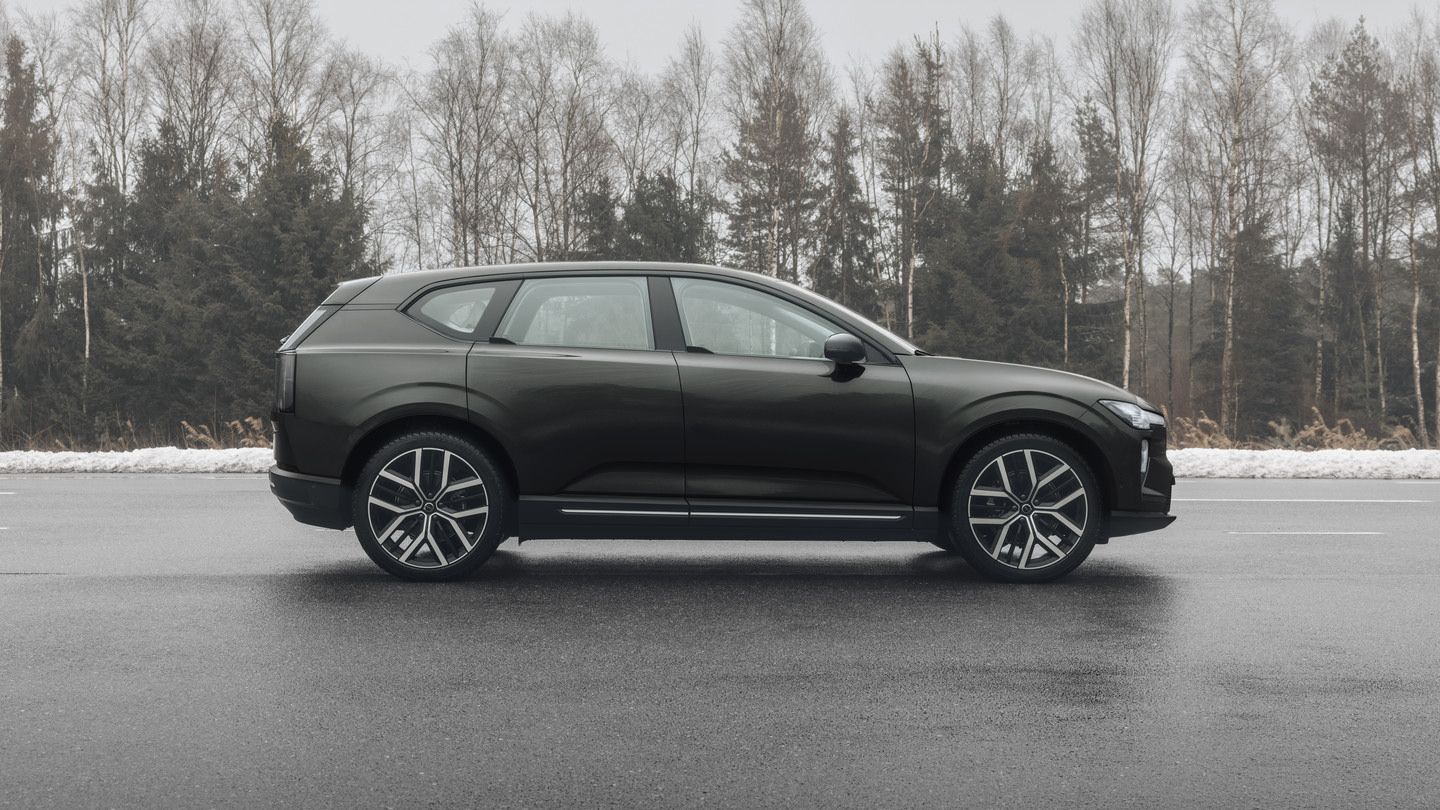
How You Can Prepare Your Volvo for Winter
The first cold morning of the season always seems to arrive early. One day the roads are dry, and the next there is frost on the windshield and...
Read morePowered and developed by
