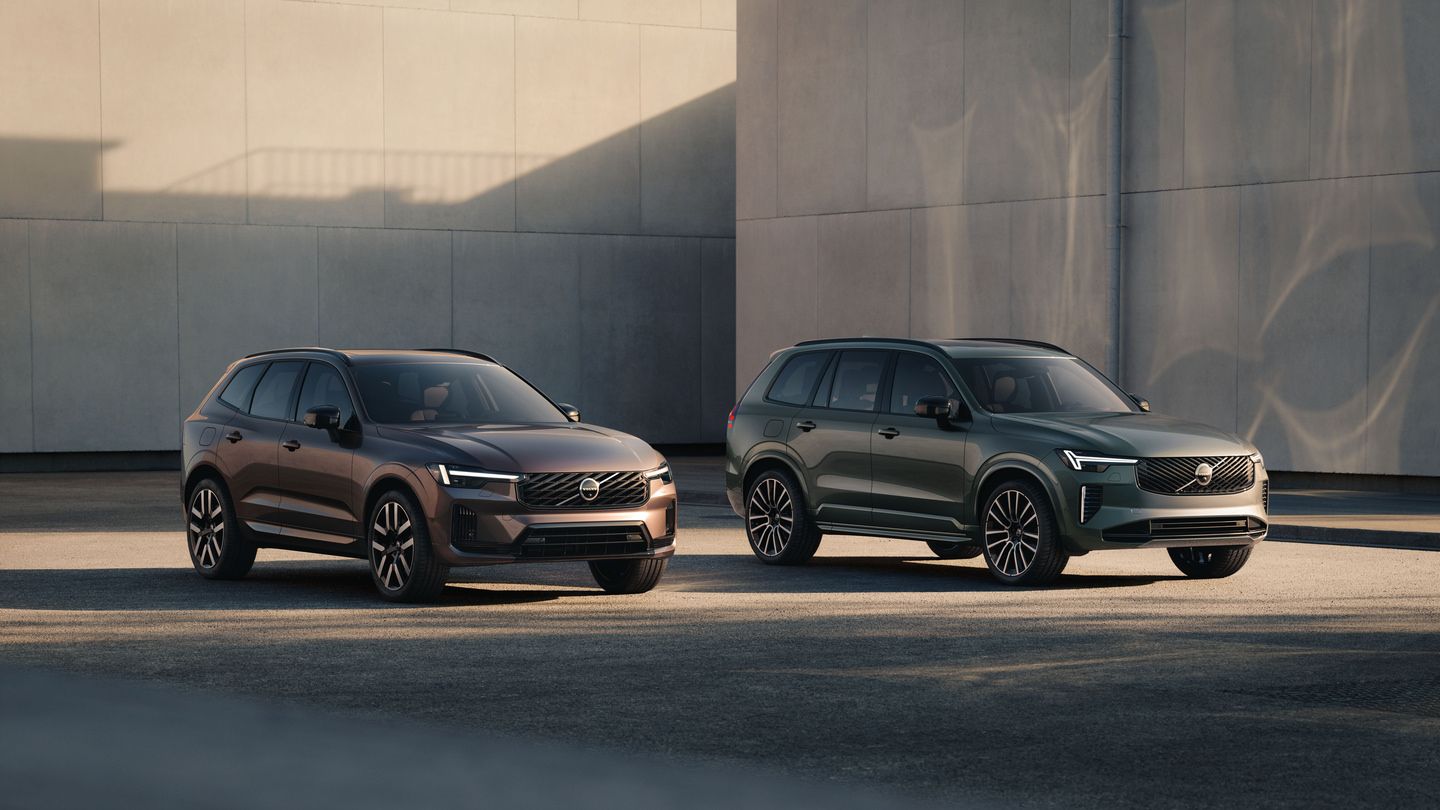
Volvo Increases the Range of the 2028 XC60 and XC90 Plug-in Hybrid SUVs
Volvo has given two of its most popular SUVs a longer electric range. The plug-in hybrid XC60 and XC90 now travel further on battery power alone...
Read moreVolvo Cars Mississauga

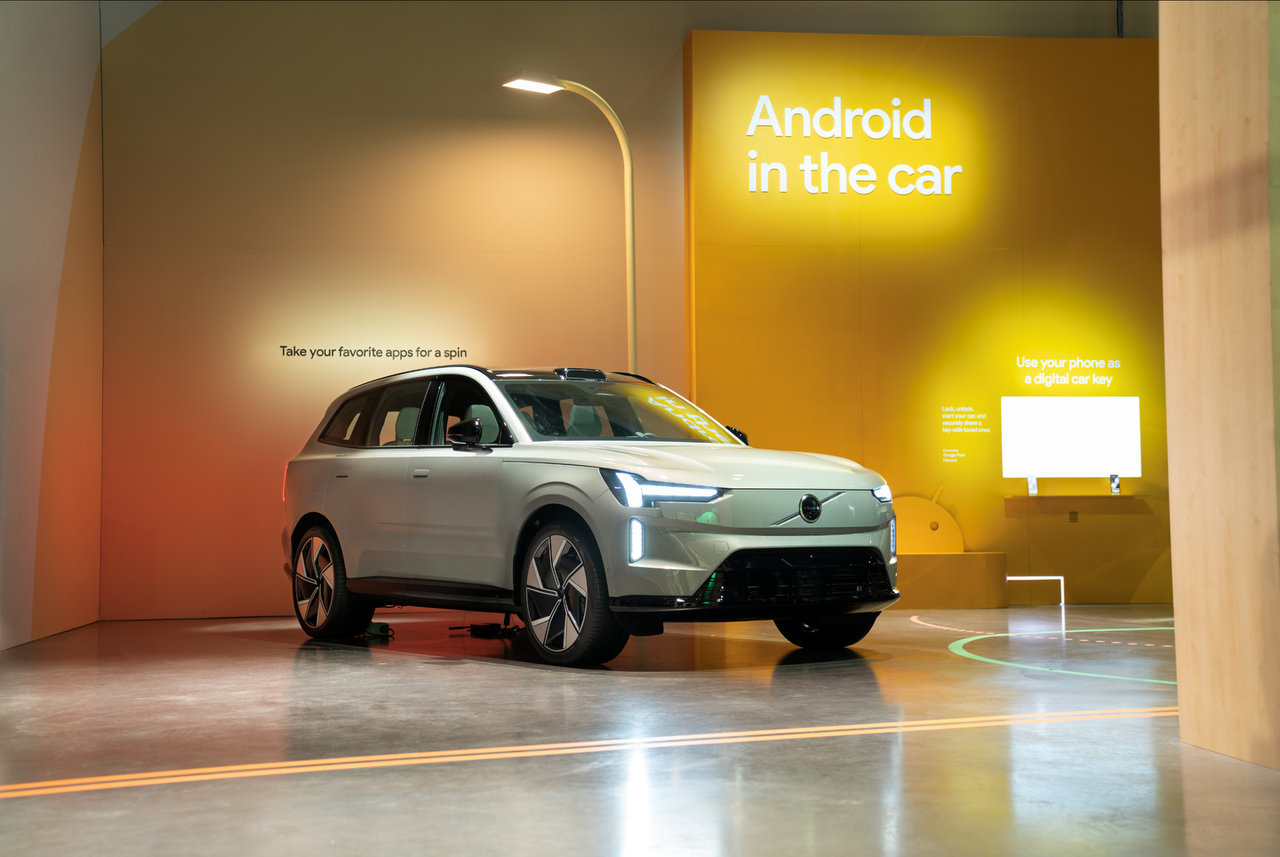
The Volvo EX90 has the potential to revolutionize how we drive with its lidar, cameras, and radars that can accurately detect and measure areas both close by and farther away. To support this breakthrough in automotive technology, Volvo Cars has partnered up with Google to integrate their HD Maps into the EX 90. This comprehensive map offers drivers detailed, up-to-date data as they travel across unknown roads – enabling them to feel comfortable with what lies ahead. This marks a major milestone for Volvo Cars as they continue to strive towards a future of autonomous driving.
“The addition of Google HD Maps in our future car line-up marks an expansion of our strategic collaboration with Google, reflecting our commitment to work with technology leaders,” says COO and Deputy CEO Javier Varela. “Implementing Google HD Maps in our upcoming cars will help us offer our drivers a more enjoyable driving experience and in future contribute to the introduction of safe autonomous driving.”
By integrating Google's HD map, Volvo will be able to create a more seamless experience for its drivers. The HD Map provides lane-level data and localization objects, such as signs, to give car makers the ability to implement L2+ and L3 assisted driving features.
This data is then combined with the information gathered from the Volvo EX90's lidar and sensors, which are processed by NVIDIA DRIVE AI Platforms Xavier and Orin. With support from Luminar's lidar and Zenseact's software, Volvo can provide their customers with increased safety and comfort while driving on select roadways with enhanced semi-autonomous features like lane change assistance and Volvo Cars' Pilot Assist technology. Through this integration, Volvo plans to provide a reliable, safe, and comfortable driving experience for their customers.
“Building on our long history of mapping the world, Google’s new HD map is designed specifically for automakers and provides comprehensive lane-level and localization data that is crucial to powering the next generation of assisted and autonomous driving systems,” says Jorgen Behrens, VP and General Manager of Geo Automotive, Google. “We’re excited to continue partnering with leading automakers like Volvo to improve the safety and comfort of drivers everywhere.”
The partnership between Volvo and Google is an exciting step forward in the journey towards autonomous driving. By leveraging the HD Map's lane-level data, localization objects, and support from NVIDIA DRIVE AI Platforms Xavier and Orin as well as Luminar’s lidar and Zenseact’s software, Volvo has the potential to revolutionize how we drive with increased safety and comfort for their customers.
With this integration of cutting-edge technology into its cars, Volvo Cars will be able to provide a reliable experience that truly enhances convenience on select roadways around the world. We are excited to see what else comes out of this collaboration between two giants in automotive innovation!
Volvo Increases the Range of the 2028 XC60 and XC90 Plug-in Hybrid SUVs
Volvo has given two of its most popular SUVs a longer electric range. The plug-in hybrid XC60 and XC90 now travel further on battery power alone...
Read more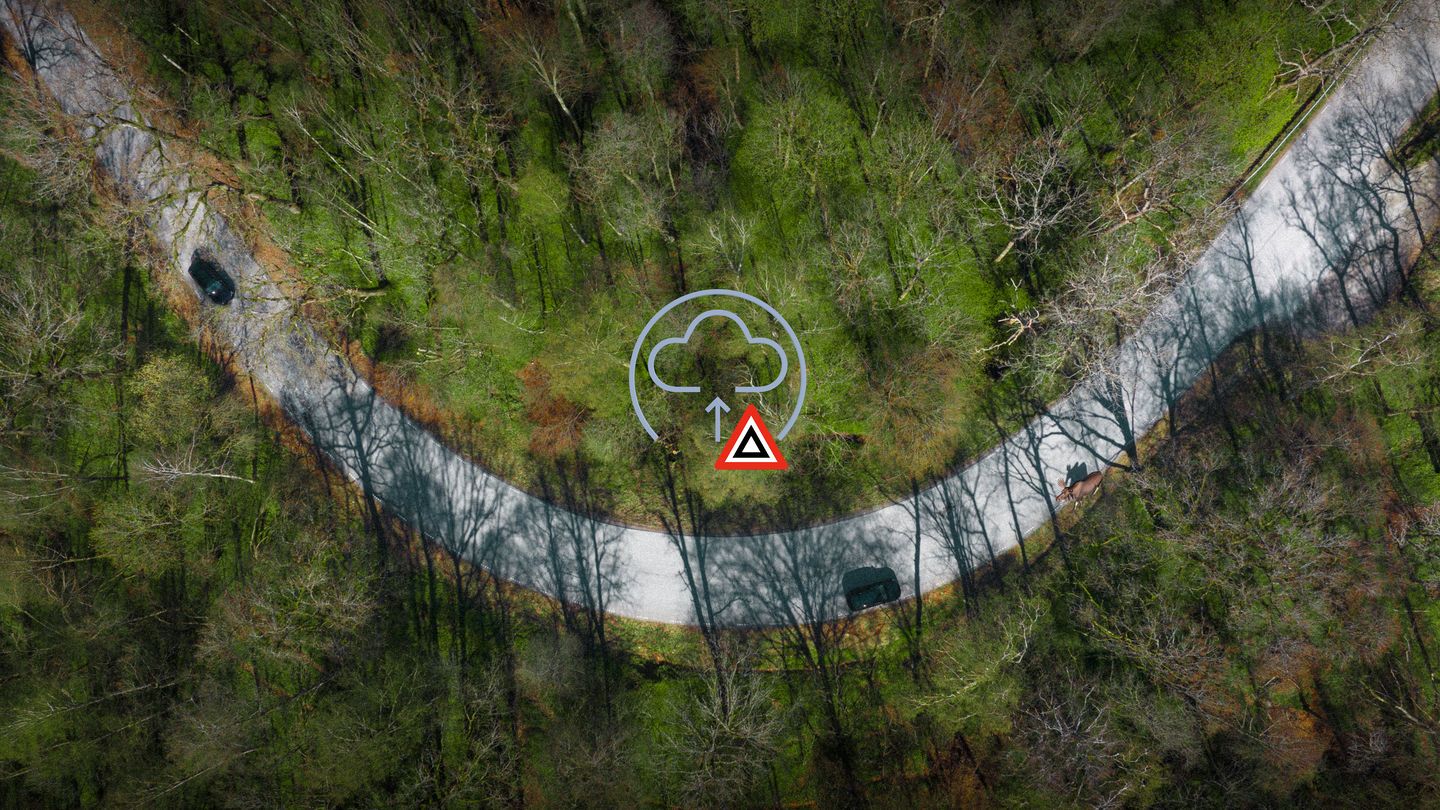
Volvo Adds New Ways for the EX60 to Warn You of Hidden Dangers
Some of the most dangerous moments on the road are the ones you never see coming: an animal stepping out from a treeline, a cyclist just past a...
Read more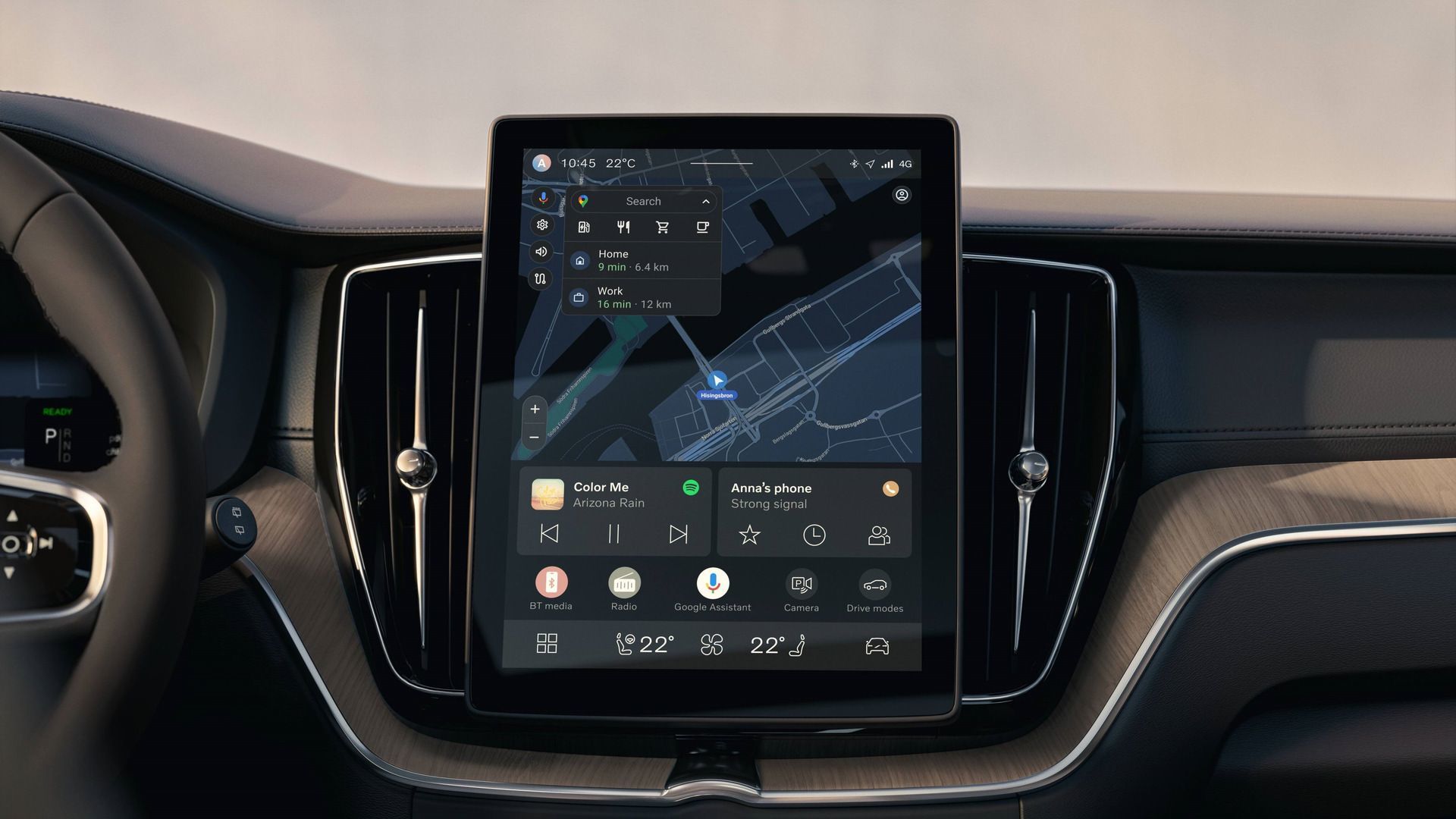
A Look at the Things Volvo's Voice Assistant Can Do
Talking to your car sounds like something out of a movie, but it has quietly become one of the more useful parts of driving a modern Volvo. Between...
Read morePowered and developed by
