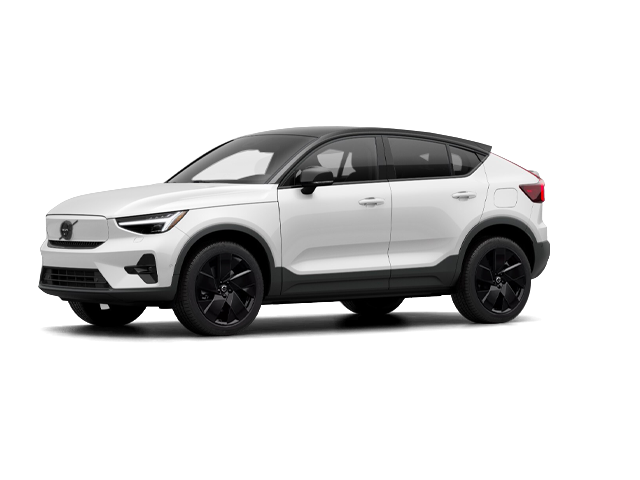
Photo for illustrative purposes only.
Find out moreVolvo Cars Mississauga

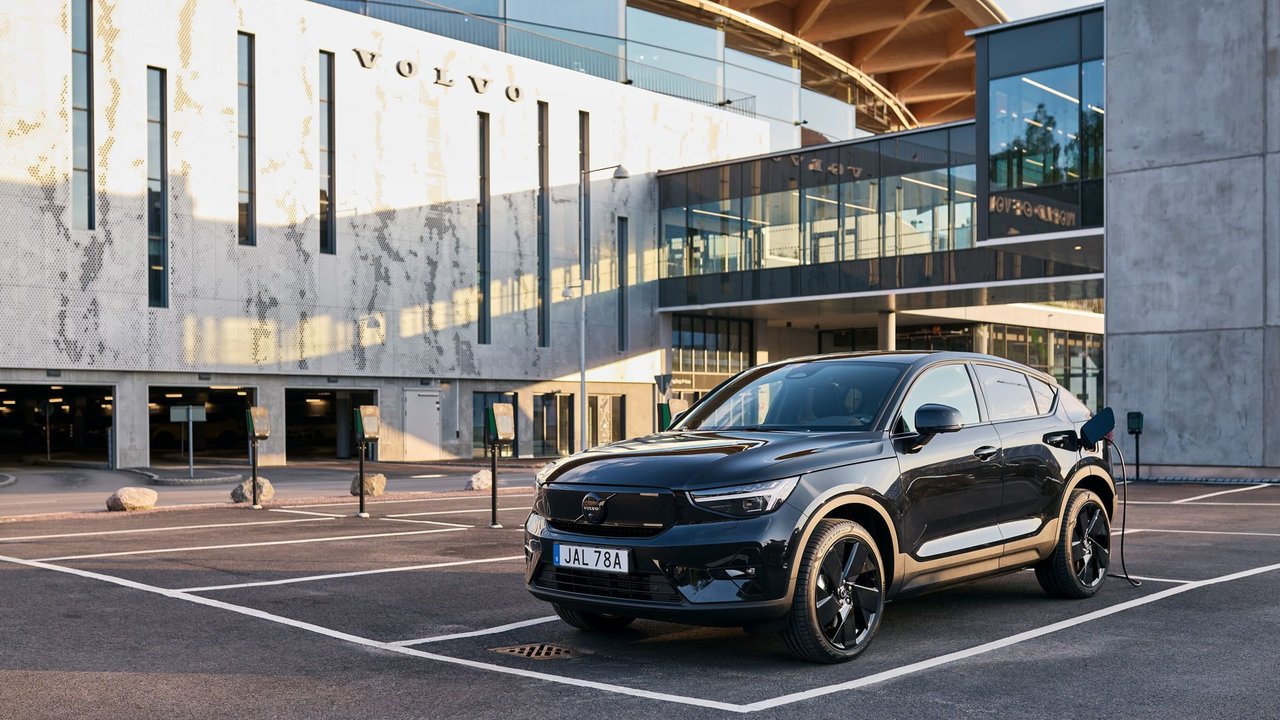
Volvo's compact electric SUV lineup offers two distinct body styles built on the same proven platform. The 2026 EC40 delivers a sleek coupe-inspired silhouette, while the EX40 provides traditional SUV proportions. Both share identical powertrains, battery technology, and safety features, yet their design differences create meaningful distinctions for Ontario drivers. Understanding these nuances helps you choose the model that best matches your daily needs.
The EC40 and EX40 use Volvo's dedicated electric architecture, featuring a 79 kWh usable battery and your choice of single-motor rear-wheel drive or dual-motor all-wheel drive. They charge at the same rate, accelerate with identical urgency, and deliver the premium Scandinavian interior Volvo is known for. The core difference lies in their exterior design and the practical implications that flow from it.
Design Philosophy: Coupe Elegance vs. Traditional Utility
The EC40's defining characteristic is its sloping roofline. This coupe-inspired design gives the vehicle a more athletic stance and improved aerodynamics. The EX40 maintains a conventional SUV profile with an upright rear end. Both models measure 4,440 mm in length and sit on a 2,702 mm wheelbase, but the EC40's coupe styling results in a height of 1,591 mm compared to the EX40's 1,647 mm.
From the front three-quarter view, the two models are virtually identical. The closed grille, Thor's Hammer LED headlights, and sculpted hood create a cohesive family look. It's only when you move to the rear that the design divergence becomes clear. The EC40's fastback shape flows into an integrated spoiler, while the EX40's vertical tailgate provides a more utilitarian appearance.
For drivers in Ontario's urban centers like Mississauga, the EC40's lower profile can make it feel more agile in tight parking structures. The EX40's taller stance may inspire more confidence when navigating winter road conditions with reduced visibility.
Cargo Capacity: Where Practicality Diverges
Cargo capacity is where the body style difference becomes most tangible. With the rear seats in place, the EC40 offers 480 L of luggage space. The EX40 provides 578 L—a 98-litre advantage that translates to an extra carry-on suitcase or two grocery bags per trip. This difference stems from the EC40's sloped rear glass, which intrudes into the cargo area's upper volume.
Fold the rear seats flat, and the gap narrows. The EC40 expands to 1,196 L of total cargo capacity, while the EX40 reaches 1,328 L. Both models include 68 L of underfloor storage and a 21 L front trunk (frunk) for charging cables and smaller items.
|
Feature |
EC40 |
EX40 |
|---|---|---|
|
Rear Seats Up |
480 L |
578 L |
|
Rear Seats Folded |
1,196 L |
1,328 L |
|
Underfloor Storage |
68 L |
68 L |
|
Frunk |
21 L |
21 L |
The EX40's vertical cargo opening also makes loading bulkier items easier. The rear opening height measures 733 mm for both models, but the EC40's sloped glass creates a narrower effective aperture at the top. If you routinely transport sports equipment, larger pet crates, or furniture, the EX40's conventional cargo bay provides fewer compromises.
Powertrain and Range: Identical Performance
Both vehicles offer the same two powertrains. The Single Motor Extended Range model uses a 185 kW (248 hp) rear-mounted electric motor producing 310 lb-ft of torque. This configuration achieves 0-100 km/h in 7.3 seconds and delivers an EPA-estimated range of 480 km for the EC40 and 476 km for the EX40. The four-kilometre range difference is negligible and likely within testing variance.
The Twin Motor all-wheel drive configuration adds a 110 kW front motor for a combined output of 300 kW (402 hp) and 494 lb-ft of torque. Acceleration drops to 4.7 seconds for the EC40 and 4.8 seconds for the EX40. All-wheel drive range falls to 431 km for the EC40 and 418 km for the EX40 due to the additional motor's weight and efficiency impact.
Both vehicles support DC fast charging up to 200 kW. A 10-80% charge takes approximately 28 minutes under ideal conditions. Level 2 AC charging at 48 amps (11.5 kW) requires about 8 hours for a full charge—perfect for overnight home charging in Ontario.
Interior Space: Passenger Comfort Remains Consistent

Front and rear passengers experience identical accommodations in both models. Maximum front headroom with the panoramic glass roof measures 1,040 mm in the EC40 and 997 mm in the EX40. Despite the EC40's lower roofline, Volvo carved out 932 mm of rear headroom in the coupe compared to 974 mm in the traditional SUV.
Legroom is generous for both. Front passengers enjoy 1,040 mm of space, while rear passengers receive 917 mm—enough for adults to sit comfortably on longer drives from Mississauga to cottage country. Shoulder room measures 1,440 mm front and 1,429 mm rear for both vehicles, maintaining Volvo's focus on interior width.
The cabin design is identical between models. Both feature Volvo's portrait-oriented 12.3-inch touchscreen running Google built-in, the 12.3-inch driver display, and the same high-quality sustainable materials. Differences in the roof structure are imperceptible from inside once you're seated.
Aerodynamics and Efficiency: Marginal Gains
The EC40's coupe shape delivers a slight aerodynamic advantage. Its drag coefficient of 0.319 beats the EX40's 0.329, though both frontal areas measure 2.54 m² for the EC40 and 2.56 m² for the EX40. This 0.01 difference in Cd translates to minimal real-world efficiency gains—you'd be hard-pressed to notice it in daily driving around Ontario.
The EC40's marginally better aerodynamics contribute to its four-kilometre range advantage in single-motor form, but the difference falls within the margin of error for EPA testing protocols. Both vehicles deliver similar consumption figures of 2.2 Le/100 km combined for the single-motor variants.
Choosing Between the Two
The EC40 suits drivers who prioritize style and spend most of their time commuting solo or with one passenger. Its sleek profile turns heads, and the cargo space is adequate for weekly grocery runs, gym bags, and typical urban errands. Mississauga drivers who value aesthetics and don't regularly haul large items will appreciate the coupe's design statement.
The EX40 makes more sense for families, pet owners, or anyone who routinely carries bulky cargo. The 98-litre rear cargo advantage, easier loading access, and slightly more generous rear headroom add up to a more practical daily driver. If you're making weekend trips to cottage country or helping friends move, the EX40's traditional SUV shape reduces the number of Tetris puzzles you'll need to solve in the cargo bay.
Both models qualify for the same federal and provincial EV incentives (if applicable based on current pricing), and both provide Volvo's industry-leading safety suite including BLIS, Cross Traffic Alert, and oncoming lane mitigation. Pricing is typically identical for equivalent trim levels, so the choice comes down to form versus function.
Experience the Difference at Volvo Cars Mississauga
Your lifestyle determines which model fits better. The 2026 EC40 and EX40 prove that one platform can serve multiple needs without compromise on the fundamentals that matter—safety, range, performance, and technology. Our team at Volvo Cars Mississauga can walk you through both models and help you determine which body style aligns with how you actually use your vehicle in Ontario. Book a test drive to experience the subtle but meaningful differences firsthand.
Photo for illustrative purposes only.
Find out more
What Volvo's Driver Assistance Features Actually Do on the XC60
"Advanced driver assistance" shows up on nearly every SUV spec sheet today, but the phrase doesn't say much about what actually happens on the...
Read more
How Volvo's Accessories and Built-In Features Handle Fall's Outdoor Activity Season
Fall in Mississauga tends to bring a short window of activity before everything gets packed away for winter — one last round of camping trips,...
Read more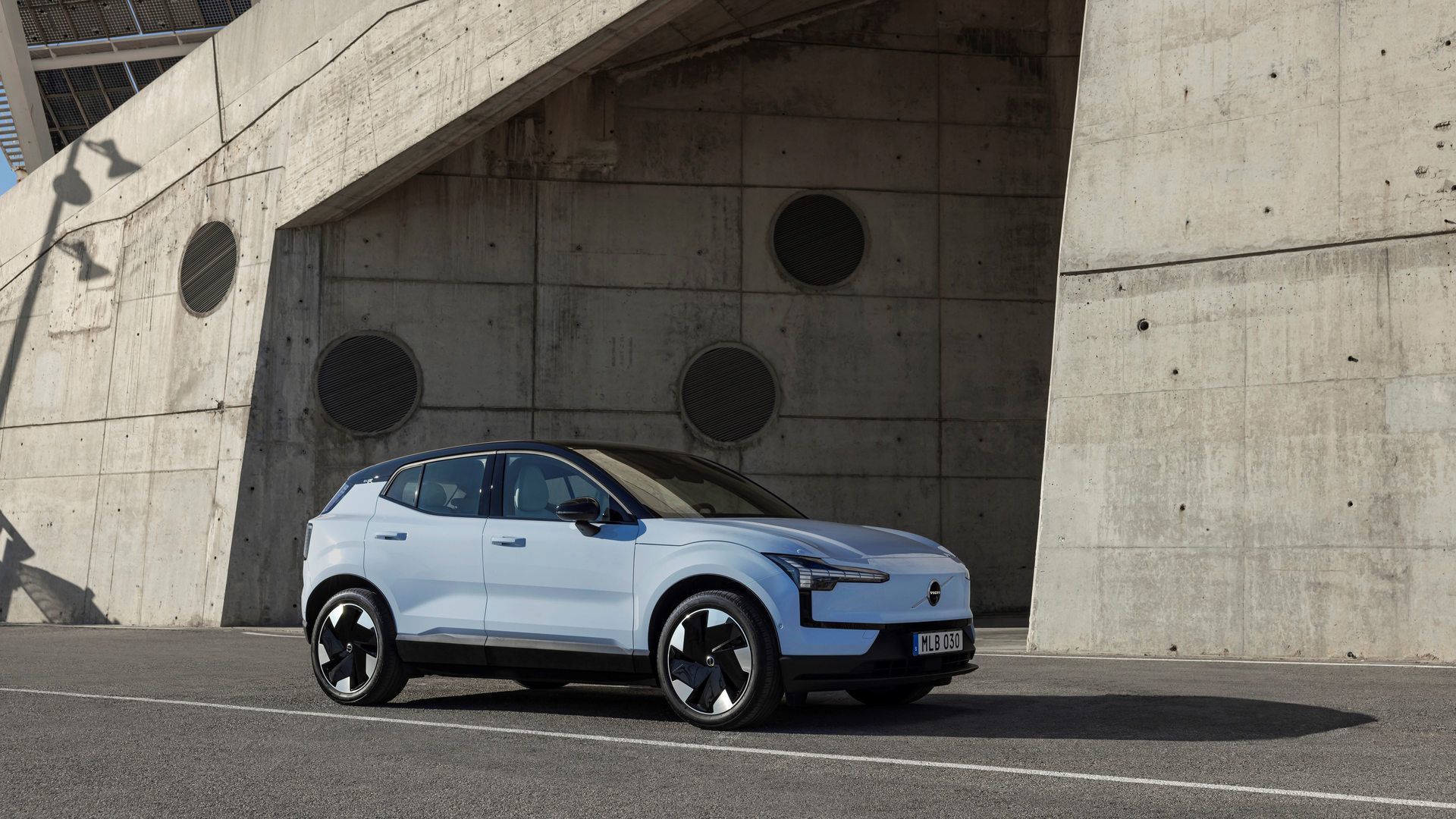
Why the 2026 Volvo EX30 Feels Different to Drive Around Mississauga's Busiest Streets
Spec sheets tend to focus on horsepower and range, but for a lot of daily driving in Mississauga, the numbers that matter most are the ones tied to...
Read morePowered and developed by
