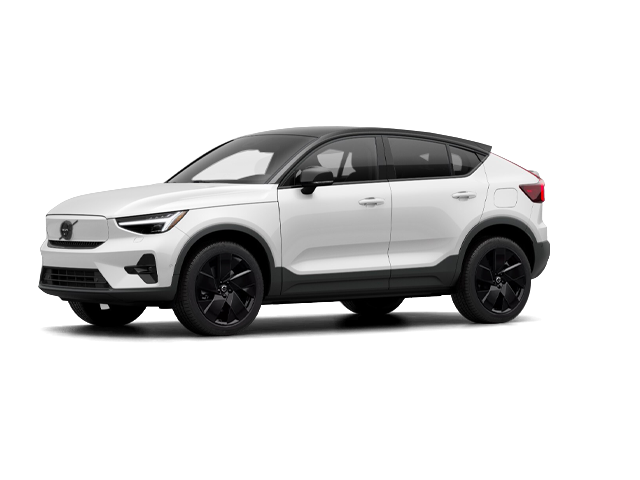
Photo for illustrative purposes only.
Find out moreVolvo Cars Mississauga

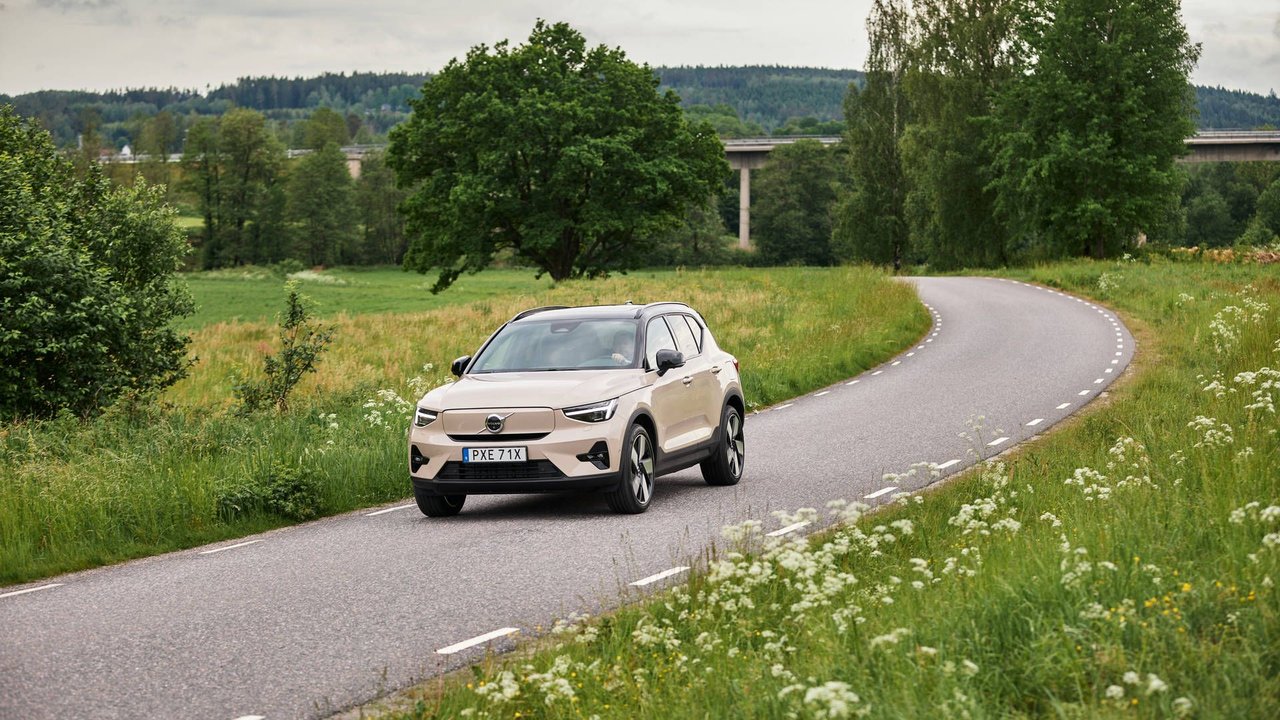
The Volvo EX40 and EC40 share more than most buyers initially expect. Both sit on the same platform, carry identical powertrains, run the same battery pack, and deliver similar range figures. For Mississauga drivers researching Volvo's compact electric lineup, the choice between them is not about performance or technology — it is about body style and what that means for how the vehicle fits into daily driving life along the 401 corridor and through Peel Region's streets.
Volvo rebranded both models for 2025: the XC40 Recharge became the EX40, and the C40 Recharge became the EC40. The names changed; the platforms did not. This guide lays out the meaningful differences between the two, the specifications they share, and the questions that point Mississauga buyers toward one over the other.
Shared Platform, Different Profiles
|
Specification |
EX40 (Single Motor) |
EC40 (Single Motor) |
EX40 (Twin Motor) |
EC40 (Twin Motor) |
|
Body Style |
Traditional SUV |
Coupe-profile SUV |
Traditional SUV |
Coupe-profile SUV |
|
Motor Output |
248 hp |
248 hp |
402 hp |
402 hp |
|
Torque |
310 lb-ft |
310 lb-ft |
494 lb-ft |
494 lb-ft |
|
0–100 km/h |
7.3 sec |
7.3 sec |
4.8 sec |
4.7 sec |
|
Battery (Usable) |
79 kWh |
79 kWh |
79 kWh |
79 kWh |
|
EPA Range |
476 km |
480 km |
418 km |
431 km |
|
DC Fast Charge (200 kW) |
~28 min |
~28 min |
~28 min |
~28 min |
|
Drag Coefficient (Cd) |
0.329 |
0.319 |
0.329 |
0.319 |
|
Max Cargo (seats up) |
1,328 L |
1,196 L |
1,328 L |
1,196 L |
|
Ground Clearance |
175 mm |
171 mm |
175 mm |
171 mm |
|
AWD Available |
Yes (Twin) |
Yes (Twin) |
Yes |
Yes |

On the powertrain side, EX40 and EC40 buyers are choosing between identical options. The Single Motor configuration produces 248 hp and 310 lb-ft of torque in rear-wheel drive, reaching 100 km/h in 7.3 seconds for both models. The Twin Motor AWD configuration delivers 402 hp and 494 lb-ft of torque — 4.8 seconds to 100 km/h for the EX40, and 4.7 seconds for the EC40, a negligible difference attributable to the EC40's marginally lower drag coefficient of 0.319 versus the EX40's 0.329.
That aerodynamic difference shows up in range. Both models carry a 79 kWh usable battery, but the EC40's lower roofline and sloped rear improve airflow efficiency enough to extend range by a small margin. The EC40 Single Motor delivers 480 km of EPA-rated range versus 476 km for the EX40 Single Motor. The Twin Motor gap is more pronounced: 431 km for the EC40 versus 418 km for the EX40. For Mississauga commuters covering the 401 between home and downtown Toronto regularly, the EC40 Twin Motor's range advantage over the EX40 Twin Motor may be worth factoring into the decision.
The most practical distinction between the EX40 and EC40 is cargo space. The EX40's upright roofline and squared rear end produce a maximum cargo volume of 1,328 litres with the rear seats folded — the same figure in both Single Motor and Twin Motor configurations. The EC40's sloping coupe roofline reduces that number to 1,196 litres in the same configuration. That is a 132-litre difference, which is roughly the volume of a large checked bag.
Headroom in the rear follows the same pattern. The EC40's roofline slopes earlier, which reduces rear seat headroom for taller passengers. Mississauga families with adults or older children in the rear seats will feel the difference on longer trips. The EX40's more conventional roofline keeps the rear cabin more open, which is why families and buyers who regularly carry passengers tend to find it the more practical choice.
For buyers who prioritize driving character and exterior aesthetics over maximum cargo utility — and who are often the only or primary occupant — the EC40's coupe profile delivers a more styled silhouette without giving up powertrain performance.
The decision between EX40 and EC40 comes down to two practical questions: how often do you carry cargo or rear passengers, and how much does exterior styling factor into your decision?
The EX40 and EC40 are both available at Volvo Cars Mississauga. The best way to understand the difference between them is to sit in both — the cargo area and rear headroom distinction is something that reads clearly on a spec sheet but lands differently in person. Our team at our Mississauga location can walk you through both models and help you identify which platform fits your driving life on and off the 401. Book a visit or stop by when it suits you.
Photo for illustrative purposes only.
Find out more
Why Choose the 2027 Volvo XC40 for Urban Drivers
City driving asks a lot of a vehicle. Parking spots are tight, traffic stops and starts, and cyclists and pedestrians share every block. A good...
Read more
What the Cross Country Name Brings to the Volvo EX30, V60, and EX60
Volvo introduced its first Cross Country model in 1997. The idea was simple: take a comfortable Volvo, raise it, protect it, and give it the...
Read more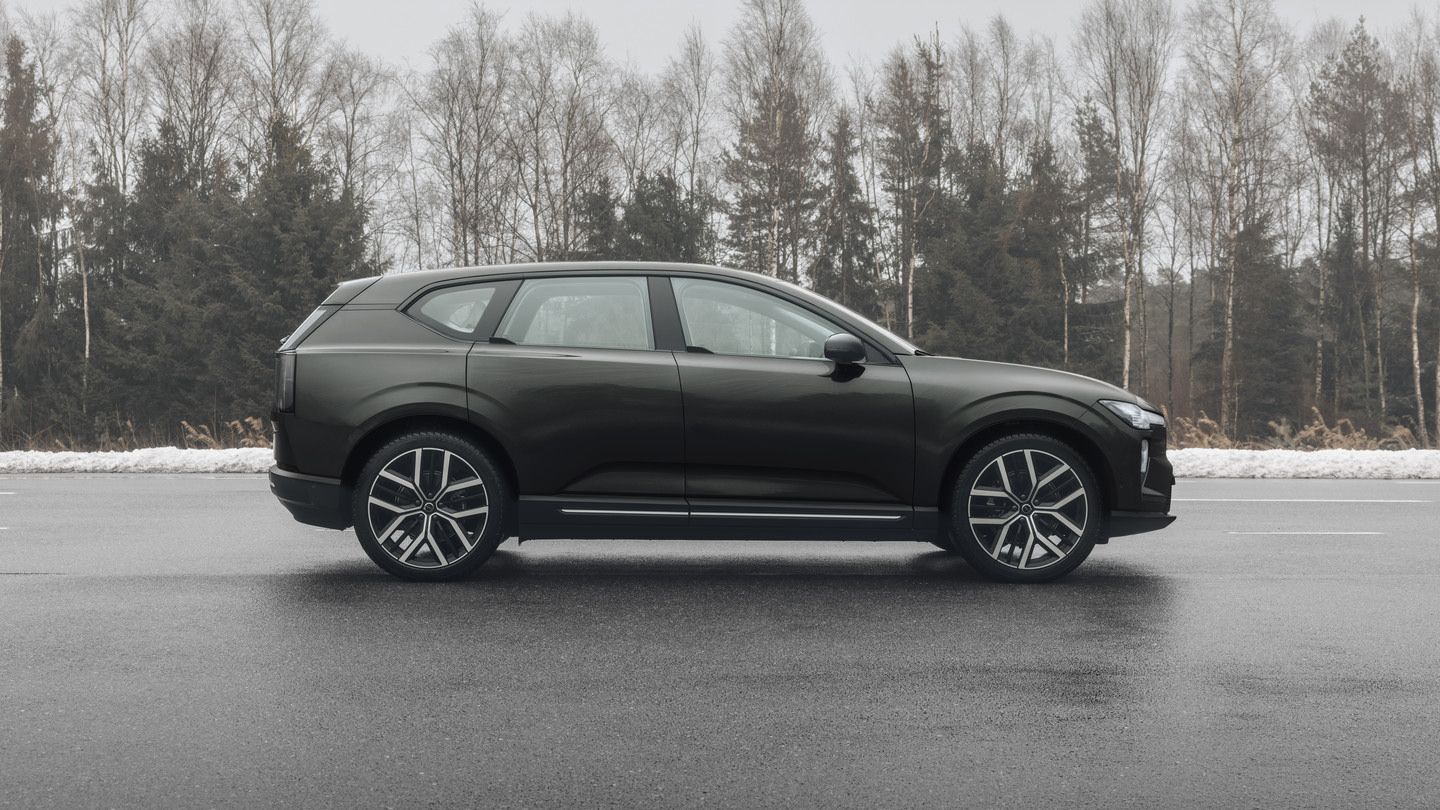
How You Can Prepare Your Volvo for Winter
The first cold morning of the season always seems to arrive early. One day the roads are dry, and the next there is frost on the windshield and...
Read morePowered and developed by
